Fighting City Hall

After a brief summer during which many of us enjoyed the downtown pedestrian mall and all the beautiful hiking trails, we are already back to fighting City Hall for basic justice and accessibility in the winter. Here is my letter to City Council about the staff recommendation on sidewalk snow clearing for the coming winter:

City Councillor Maggie Burton recently asked for comments on social media about the value of evidence based decision making. If there has ever been an issue in the City of St. John’s with compelling evidence to support changes, it is sidewalk snow clearing. There have been numerous surveys, studies, public engagements, media reports, discussions, petitions, protests and consultations. All of them have essentially said the same thing: the situation is dire. It is unjust, unhealthy and dangerous. Most of them have also made specific, clear and detailed recommendations about what we need to do to change this.

In 2015, Dr. Sharon Roseman and I presented the results of our ethnographic research on sidewalk snow clearing in St. John’s. At the invitation of Mayor Danny Breen, we showed our film, Honk If You Want Me Off The Road, to staff and councillors at City Hall. Our research showed that the lack of adequate sidewalk snow clearing had a very serious negative impact on peoples’ mental and physical health for up to half the year with ramifications for the rest of the year as they tried to recover and build up strength for the next ordeal. Our research also showed that this impact was largely on the most vulnerable people: children and young adults, single parents, people with disabilities, seniors, new Canadians and people with low incomes. There is an assumption that people choose to walk. On the contrary, people choose to drive. Most of those who walk have no choice.

More recently, just a few weeks ago, Dr. Daniel Fuller and the BEAP lab presented the findings of a larger scale quantitative study, also locally focussed and specific to St. John’s. Their research revealed that investments in walking would have major health and economic benefits. For example, if we invested $3 million annually over a 10-year period, the economic benefits would outweigh the costs fourfold. This investment would also prevent premature deaths and improve many health conditions. If there is one single thing we can do to make this happen, it is to make the city safely walkable and accessible year round through proper snow clearing of sidewalks, intersections and bus stops.

In the City’s most recent public survey, 92% of citizens and businesses supported prioritizing winter walkability and large majorities also supported investing more resources in sidewalk snow clearing. The survey found that more than half of respondents have to limit their activities because of inadequate sidewalk snow clearing and almost three quarters have been forced to risk their lives in the vehicle lanes. The condition of priority sidewalks was rated 3.6 out of 10 on average with post-secondary students (a group that is most affected) rating it 2.99. These are failing grades. 67% of citizens would agree to at least a small tax increase to improve these conditions with a further 17% being willing to consider it. Very substantial minorities also supported much higher increases.

The staff recommendation to be discussed at COTW is to change nothing. The same old excuses are given. I don’t need to list them. You all know them. “There is nowhere else like St. John’s.” Yet the City’s own commissioned report on snow clearing services in 2014 found five cities that faced similar challenges. Of those five, all but one cleared all or virtually all their sidewalks. That one (Saguenay) cleared 62%. St. John’s cleared 19% and now, six years later, clears about 23%. All of the comparison cities also started clearing earlier, removing snow during storms as well as after. Much of the limited clearing that is done in St. John’s is still useless because of lack of regularity, connectivity, ice control and coordination with street plows. The report had recommendations on how to deal with these problems but many have not been followed.

Last year, my colleague, John Shirokoff was killed because there was no cleared sidewalk on a major street in St. John’s with many pedestrians. Numerous others were injured, some with life altering consequences. Children cannot walk safely to school, a greater concern this year than ever with the challenges of Covid-19. People who do not drive cannot get safely to work, to the grocery store, to the doctor, to religious services, to visit friends and family. They become isolated, angry and depressed. We know this. And we know it does not have to be this way.

How much more evidence do you need?

Elizabeth Yeoman
By Bicycle Along the Waterford River

As we work ever so slowly towards getting some active transportation infrastructure here in St. John’s and around the province (or trying to prevent roads being built over what does exist), I retweeted this tweet with the comment “My dream is that somebody would be posting this about *our* NL!”:

“Before I moved to NL I knew they cycled a lot but I didn’t realise how much. It’s part of everything! And it’s amazing. I can’t begin to tell you how much having an integrated network of cycle paths improves your quality of life.”

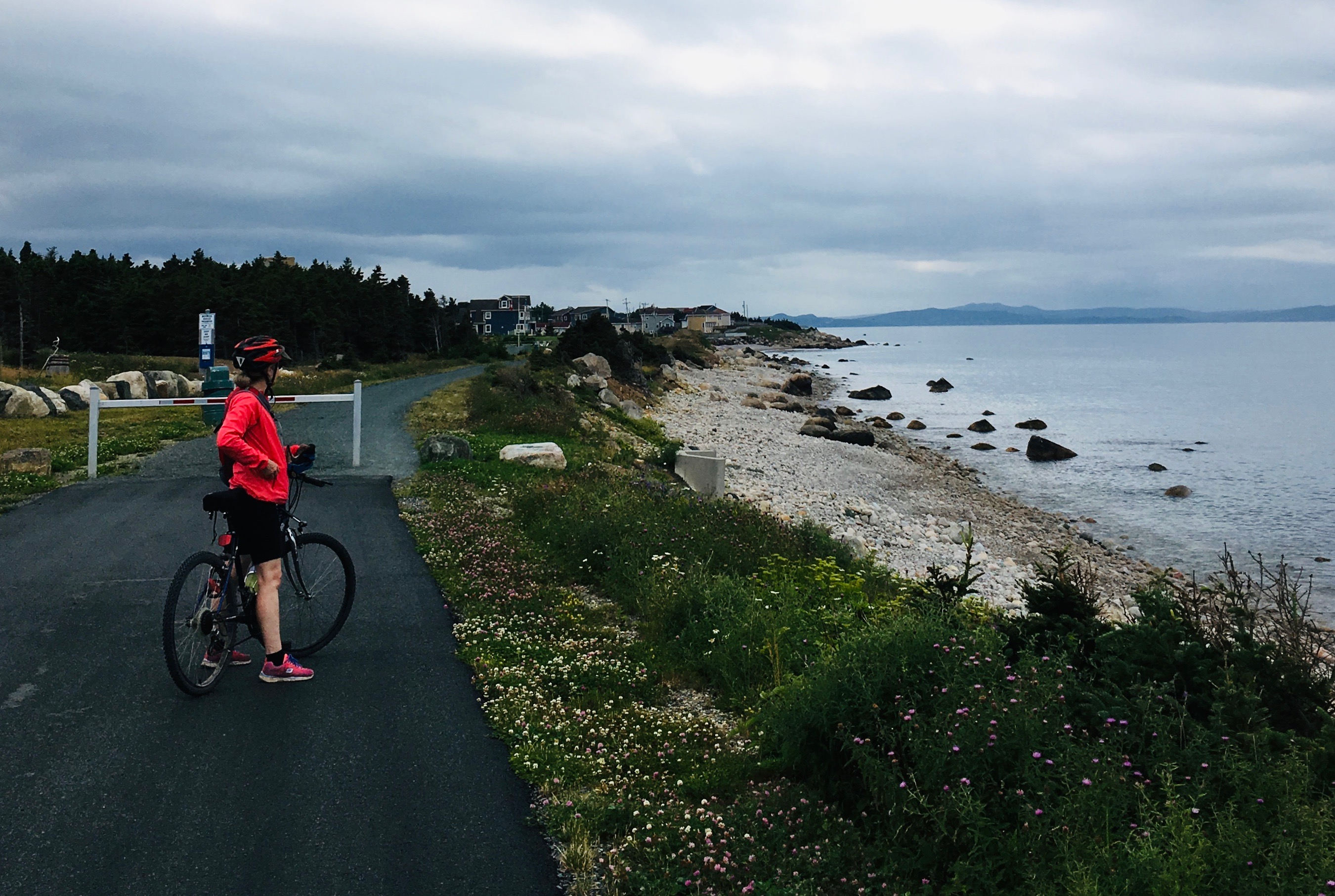
Of course, the original tweeter was referring to the Netherlands, not Newfoundland and Labrador, and I immediately got a response that “it won’t ever happen because you can’t ride a bicycle up steep hills and you can’t get downtown and back without numerous steep hills. No hills in the Netherlands.” A couple of cyclists came to my defence and I replied myself as well, that I am 66 years old and I cycle up and down those hills. I’m aware that not everybody can, but many people can and want to. Why do car drivers have the right to go wherever they want but not people using active transportation? Also west-east routes are almost flat in St. John’s (very slight uphill grade heading west, which means you can gently coast all the way in to town heading east). And this isn’t only about St. John’s but about the whole province of NL. I’ll write about some of these issues later but this post is about the Waterford River Trail, an existing multi-purpose trail that can be used to commute by bike between the west end and downtown, or from further west as there are also access points in CBS, Paradise and Mount Pearl. It’s a very easy ride, and it is so beautiful your daily commute is guaranteed to lift your spirits if you take this route. You can see a map and access points here.

IMG_7260 4

IMG_7207

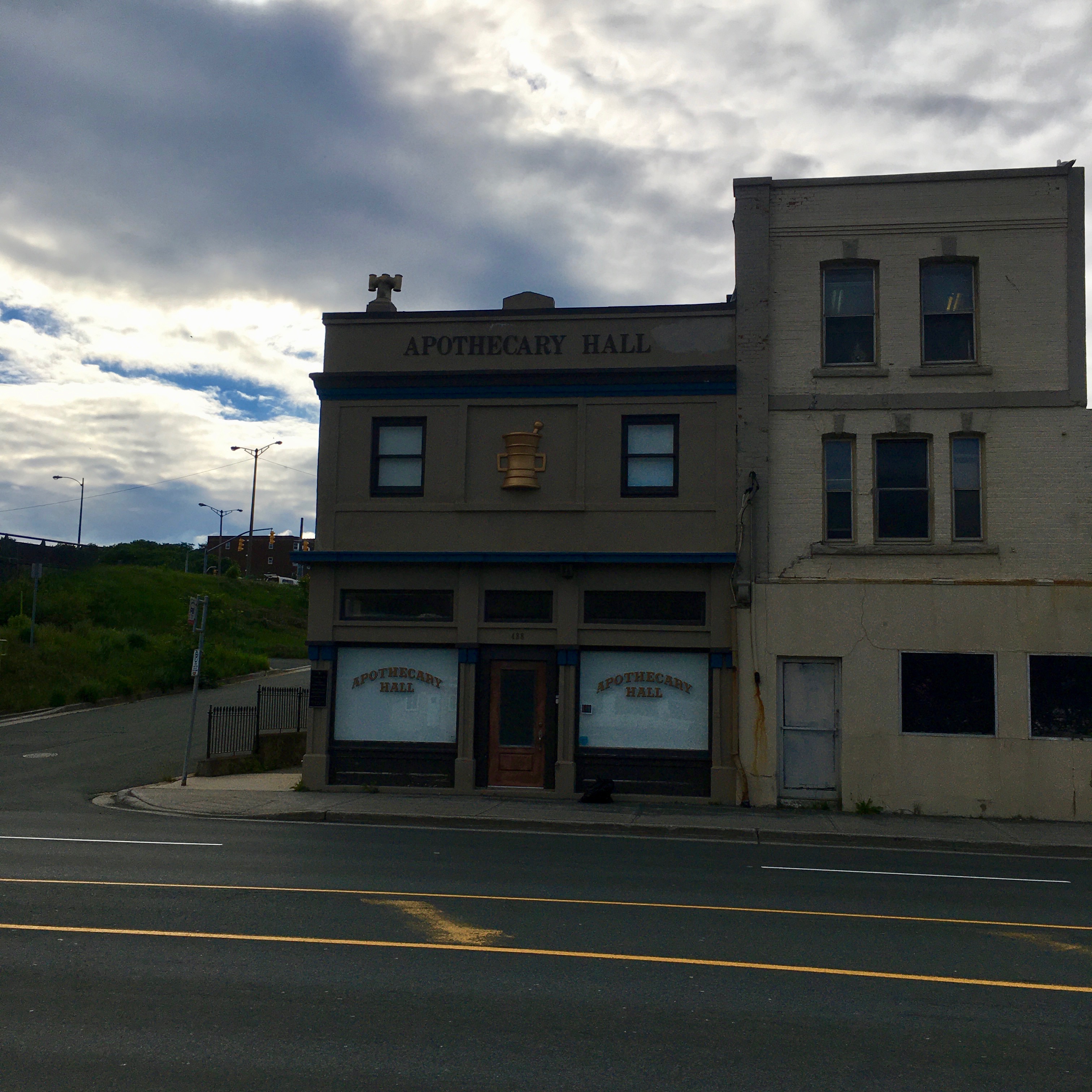
Past the fascinating time warp of the Apothecary Hall on Water St. west, formerly O’Mara’s Drugstore and now a museum of the history of pharmacy.

IMG_7211

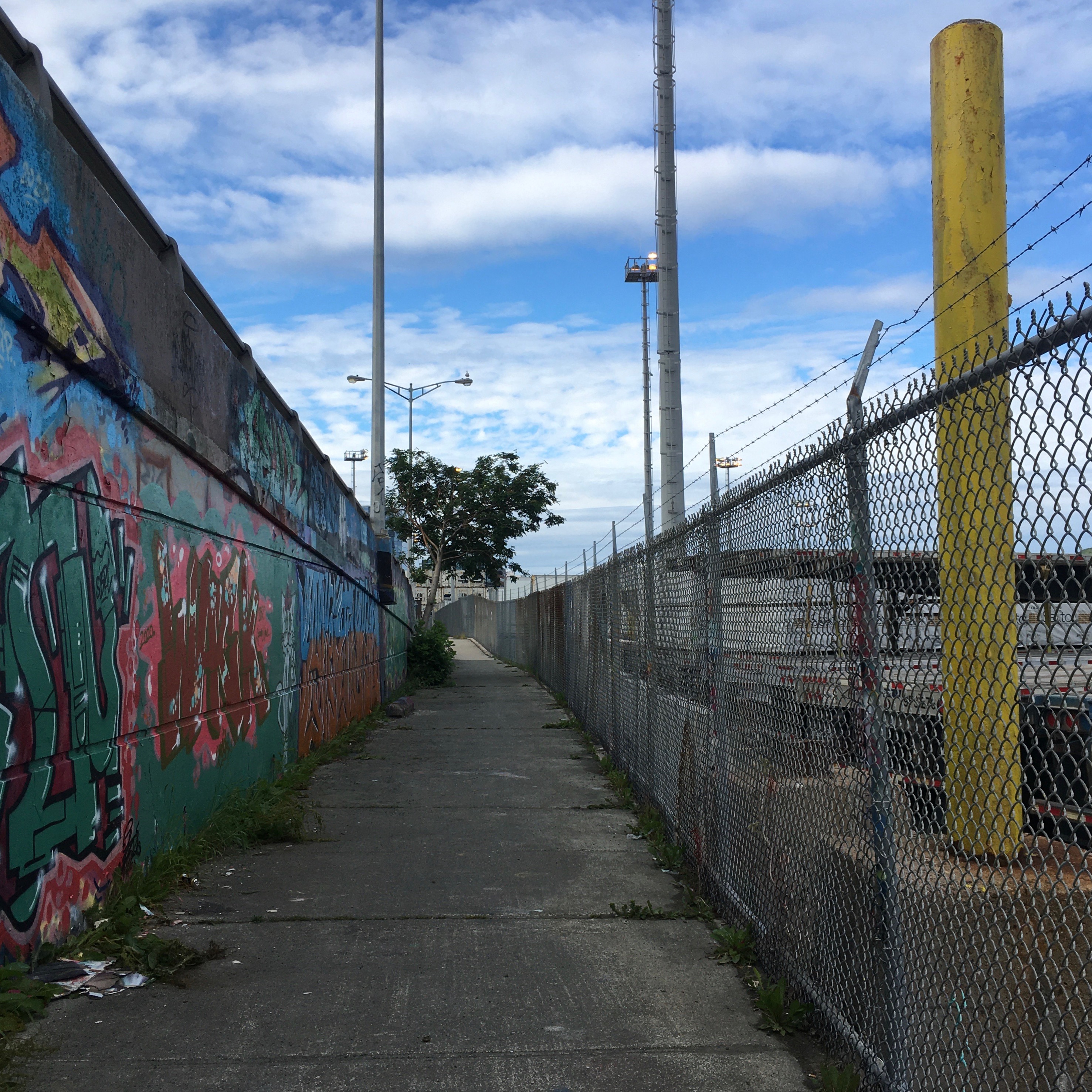
Cross the street and continue along the waterfront through some protected sidewalk. Lots of graffiti and litter as well as a variety of wild plants breaking through the concrete. Even with the litter, you immediately feel a marked reduction in stress when you get away from the busy vehicle traffic along that stretch.

IMG_7201

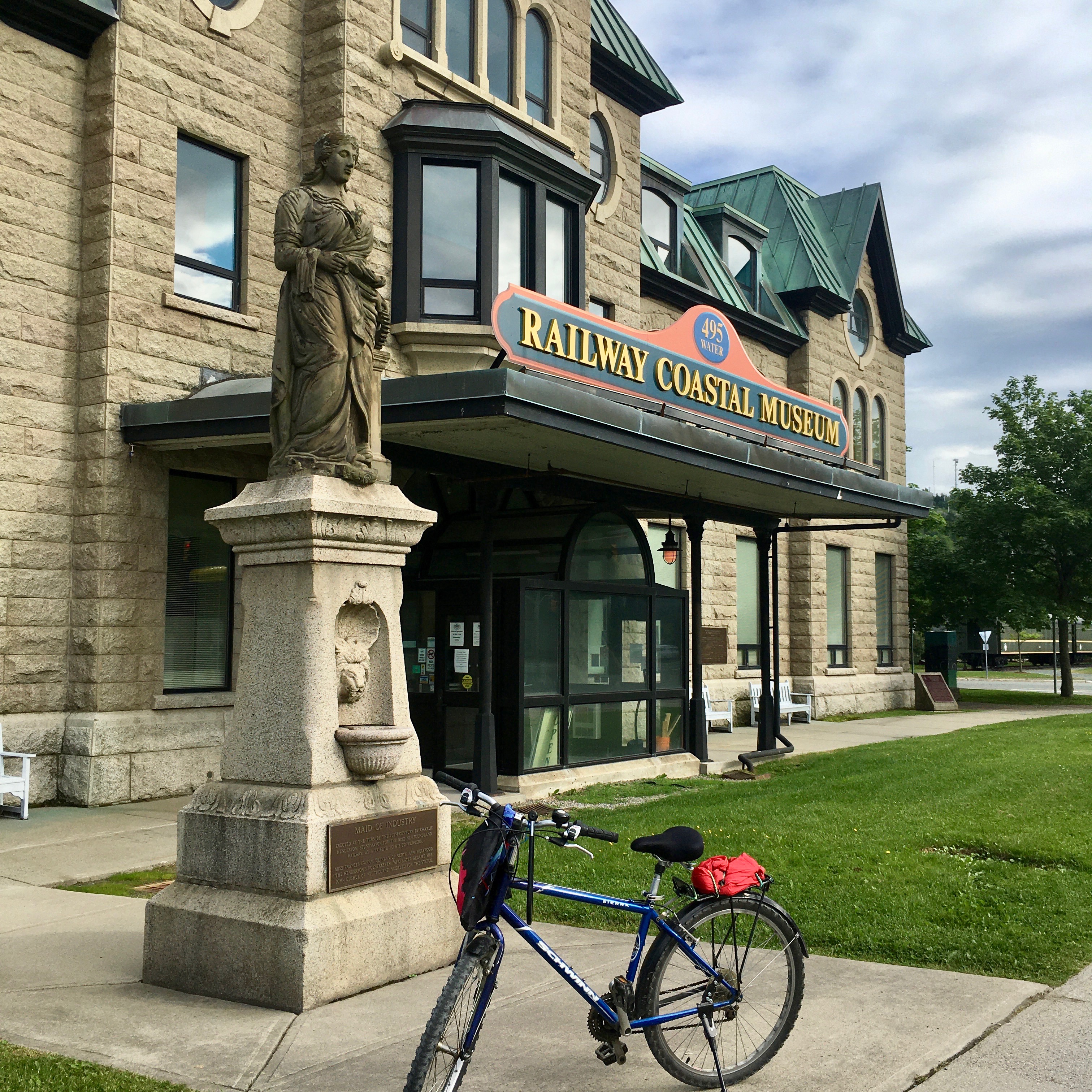
Enter the trail behind the old railway station, now a museum (actually, this whole stretch of Water St. is a bit of a time warp). The railway, sadly, is no more. In fact, this trail follows the railway bed from here right across the island of Newfoundland. The statue is The Maid of Industry, erected about 120 years ago by Charlie Henderson, a stonemason for the railway, in honour of his co-workers. See map and information here.

IMG_7194

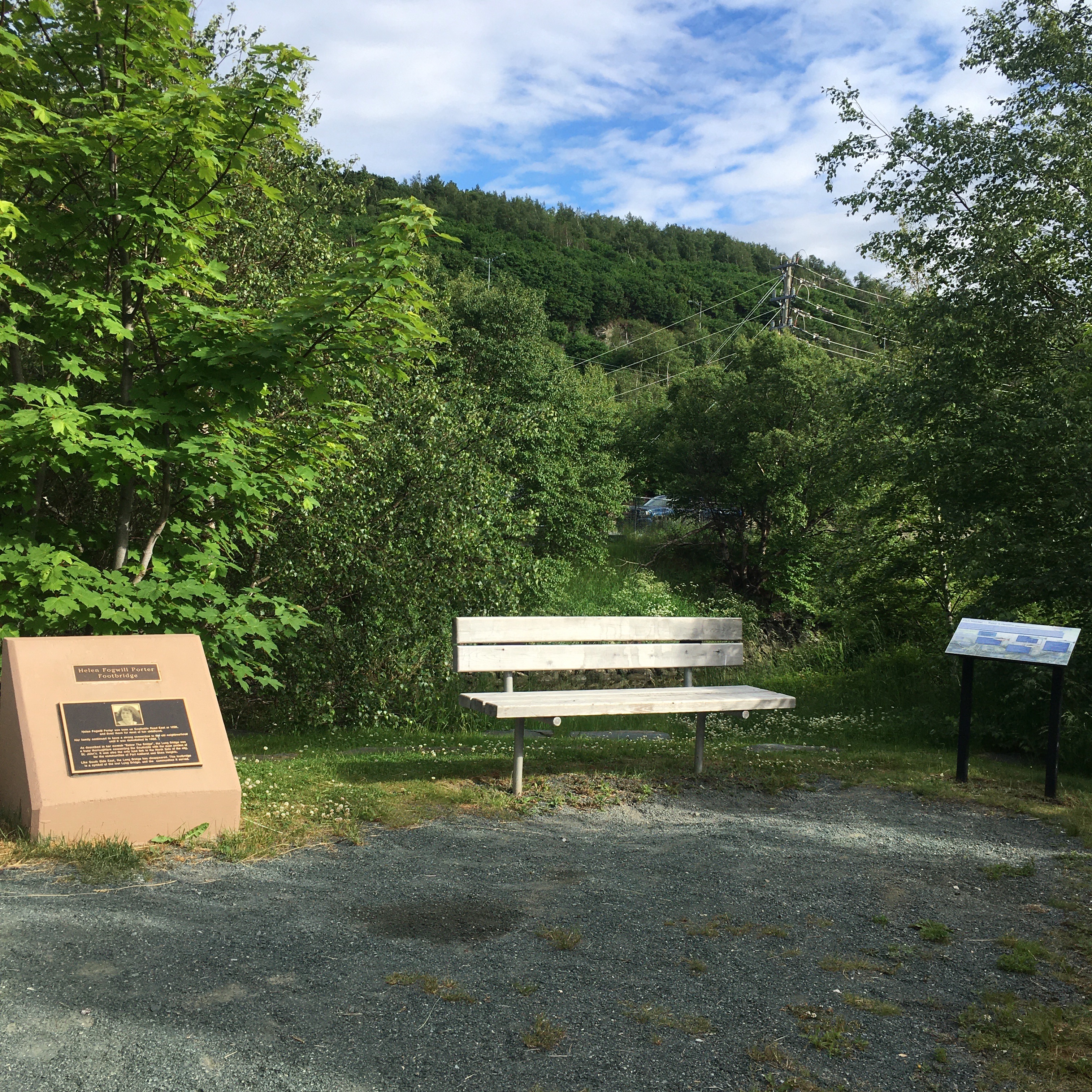
At the entrance to the trail is a little park with a more recent monument in honour of poet, author and activist Helen Fogwill Porter, who grew up nearby and writes about the Southside neighbourhood.

IMG_7189IMG_7181

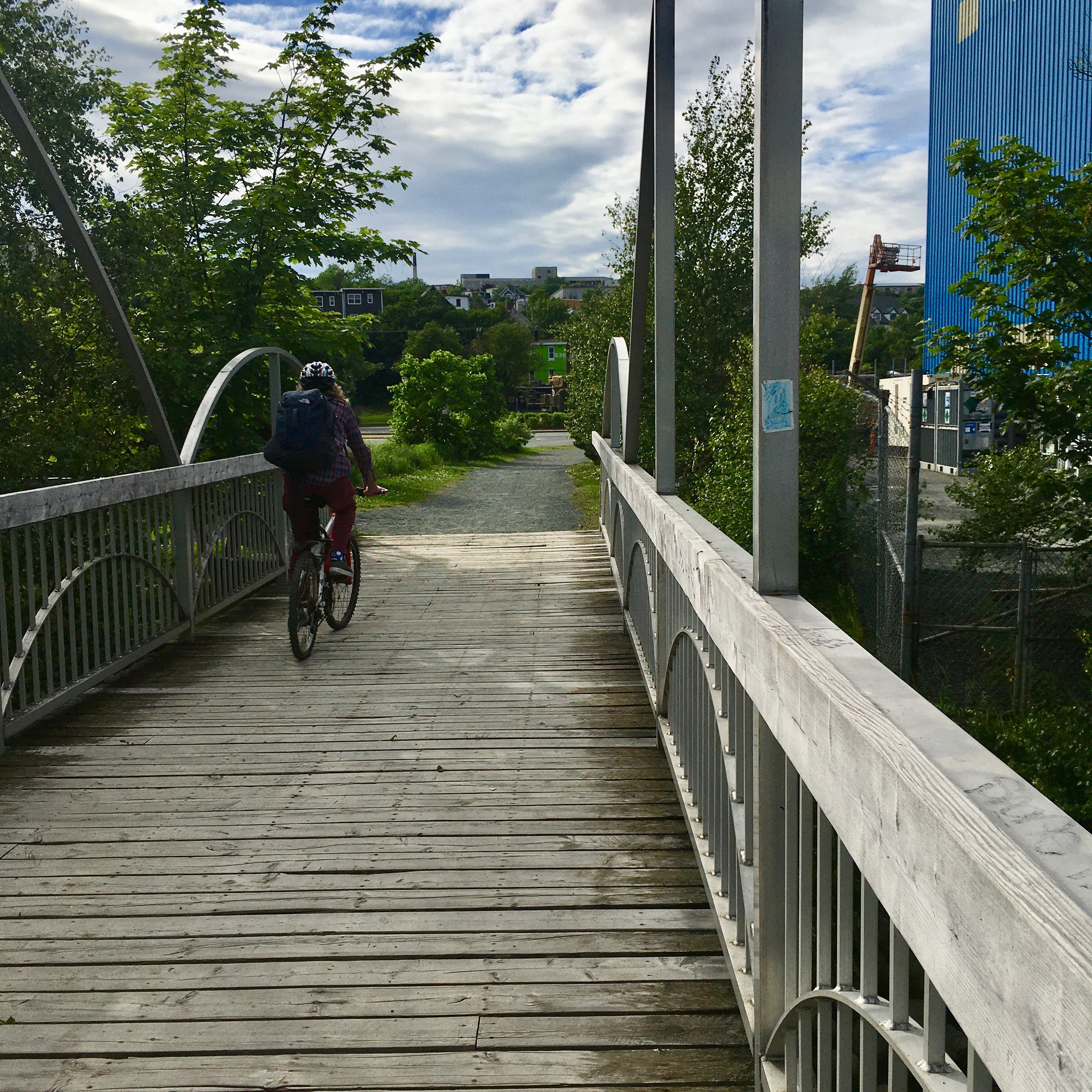
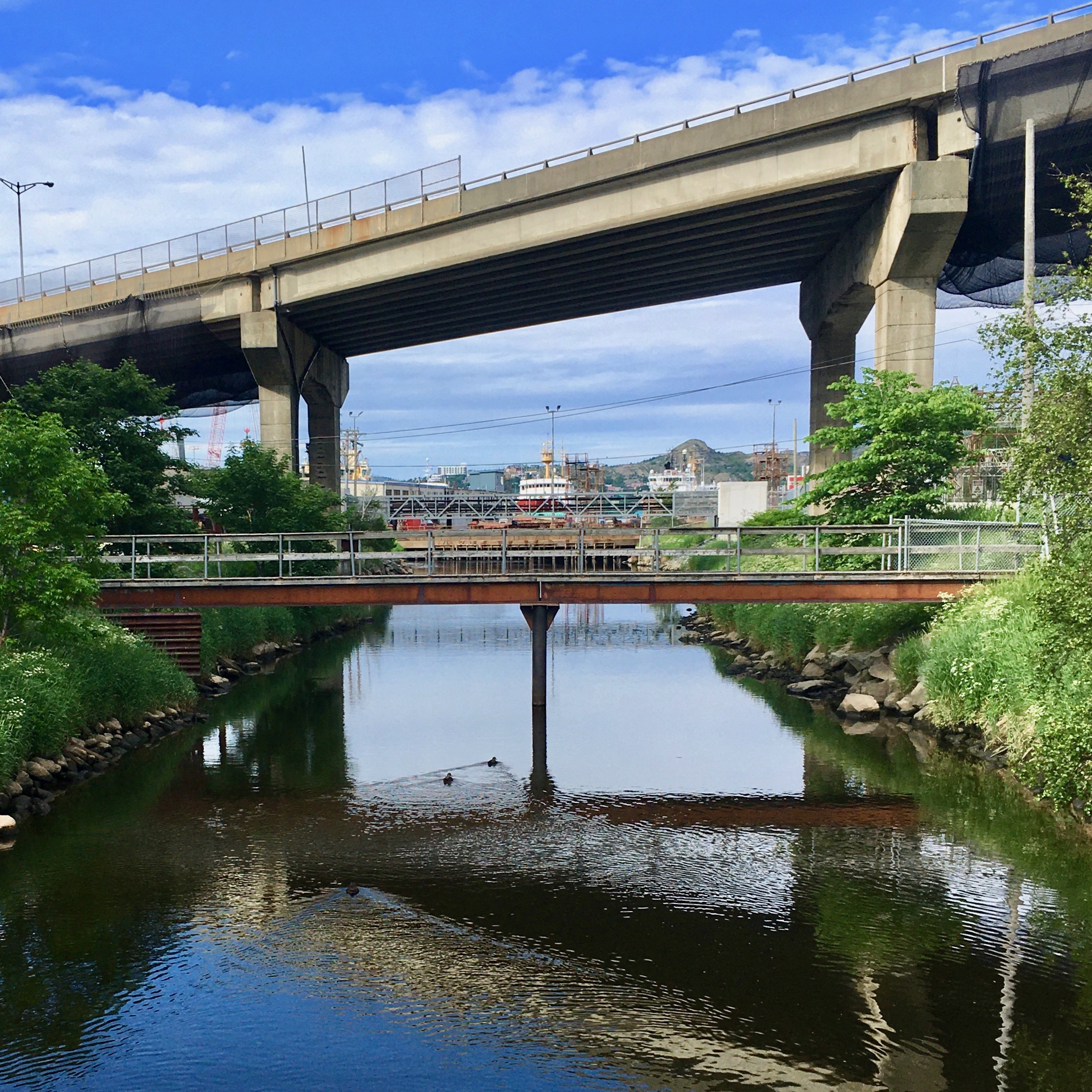
Bridge to the other side of the Waterford River and view from the bridge back towards the city and drydock.

IMG_7173

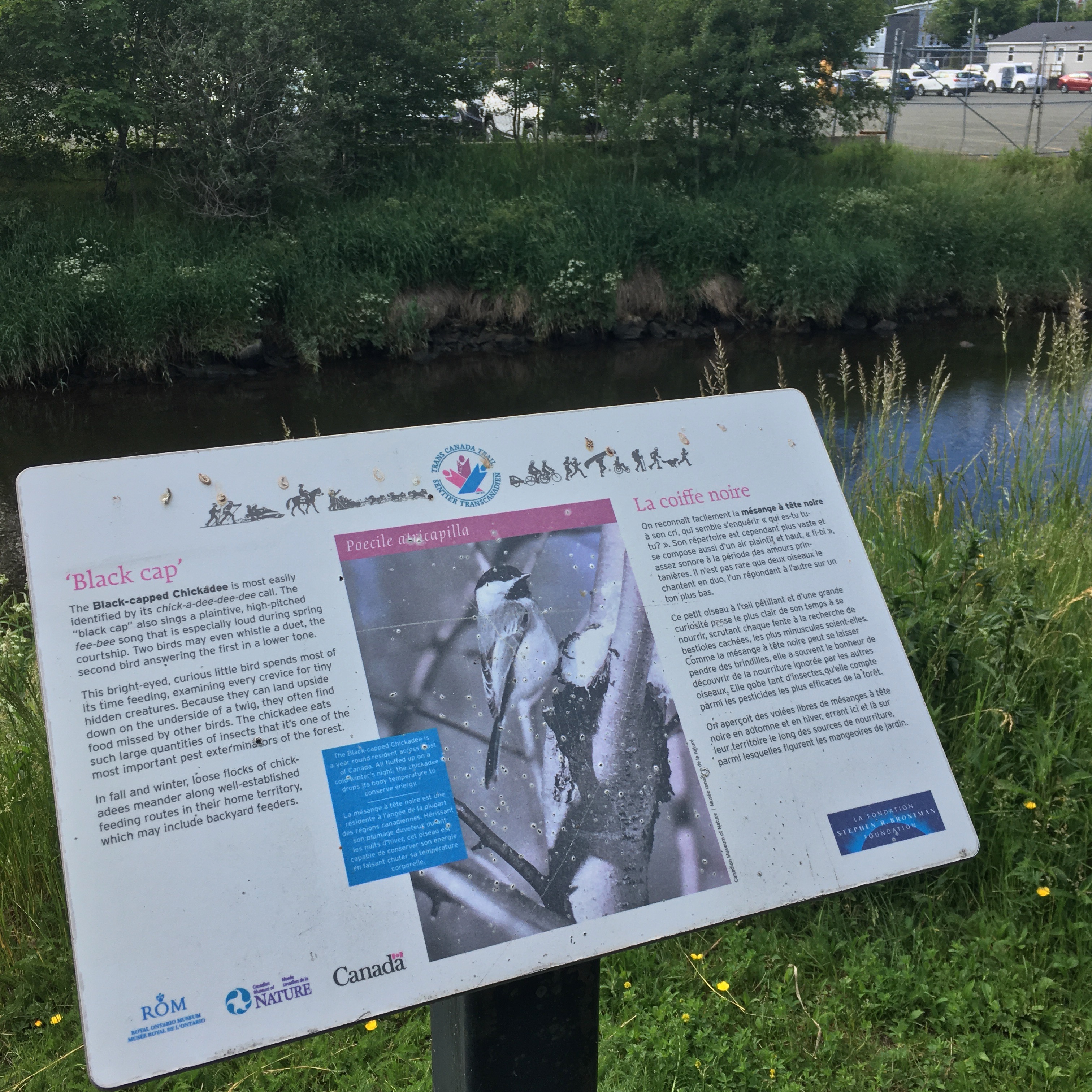
A series of storyboards with a wealth of information about the flora and fauna along the river.

IMG_7162

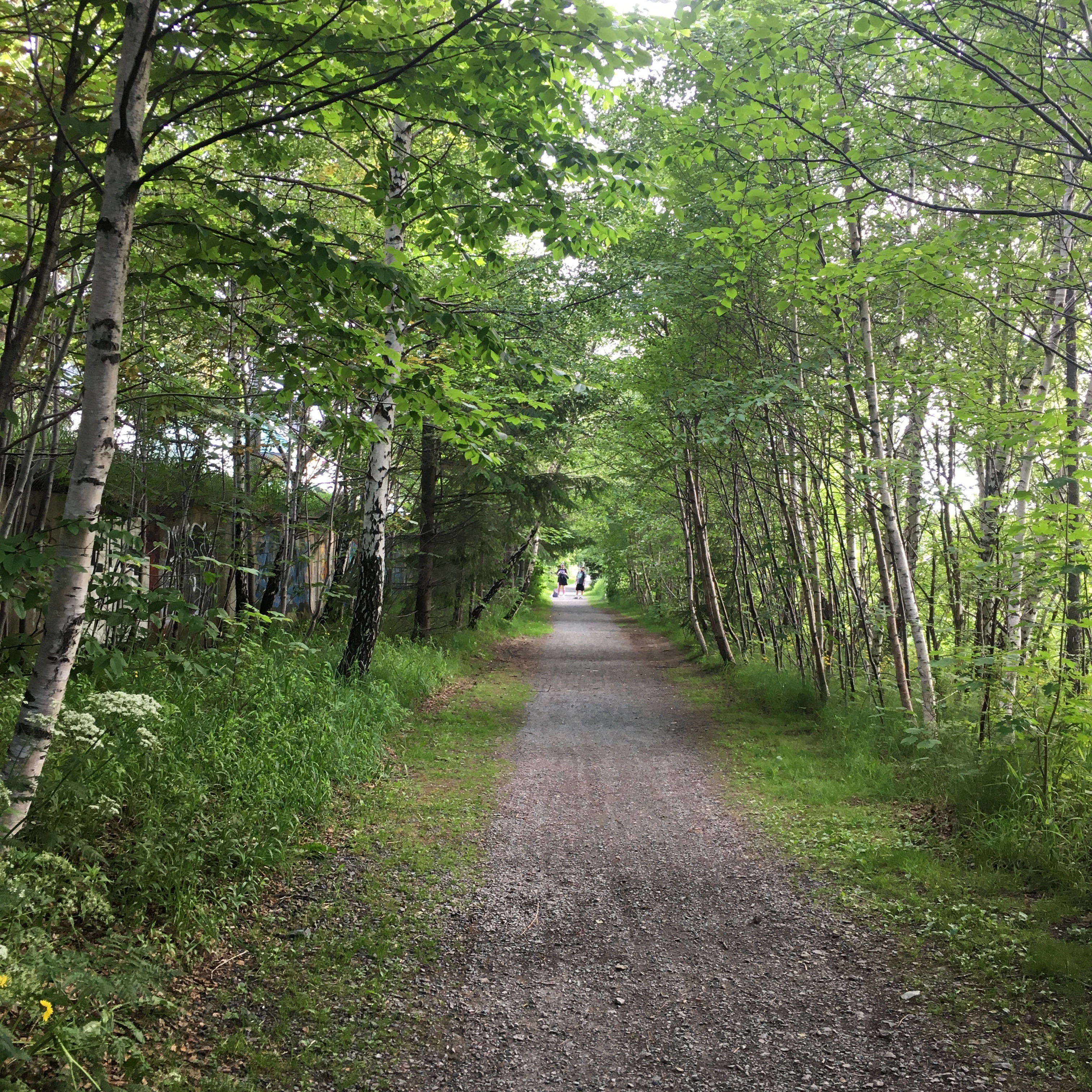
Along a hard packed dirt and lightly gravelled trail through trees…

IMG_7157
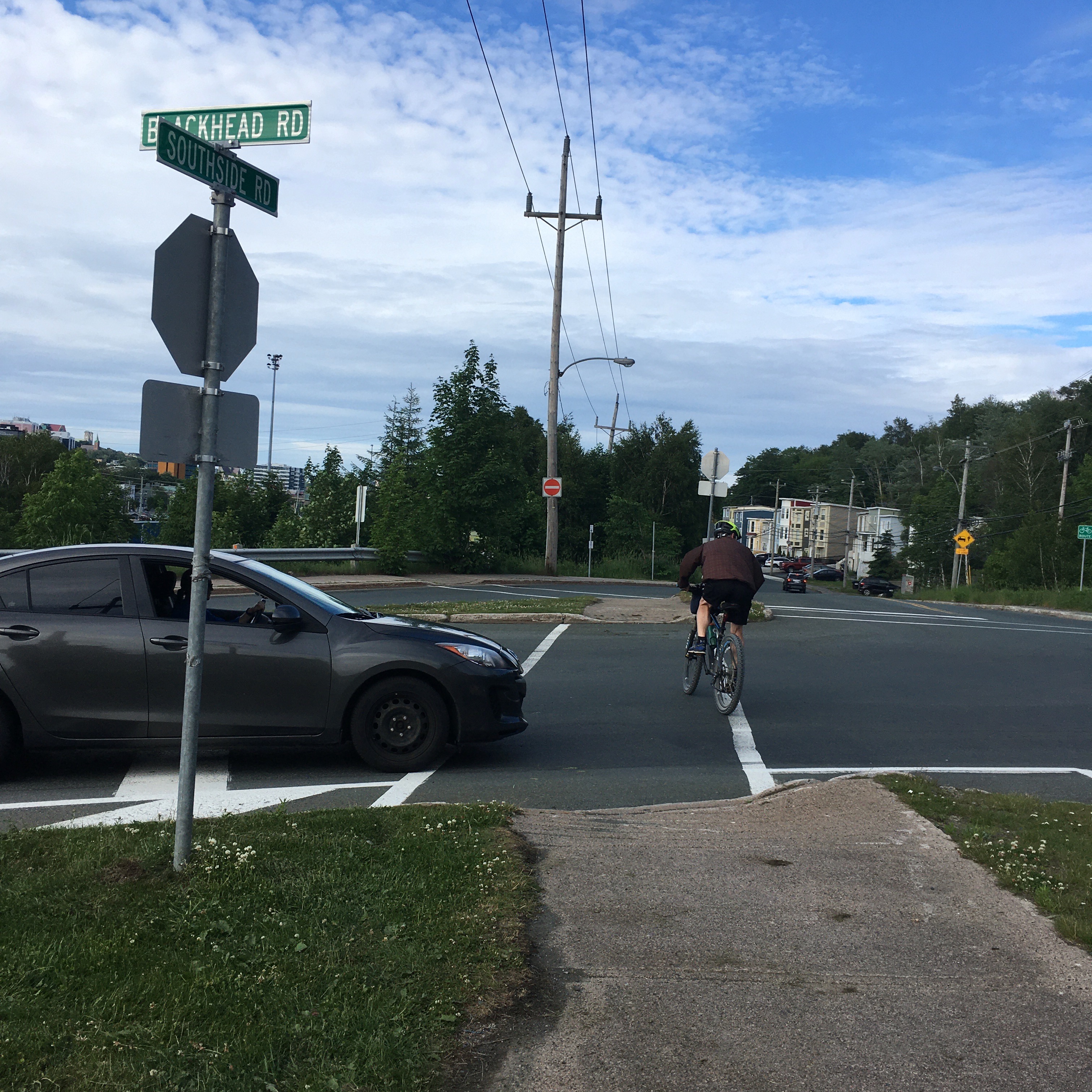
Across an intersection and along Southside Rd. for a short stretch…
IMG_7142
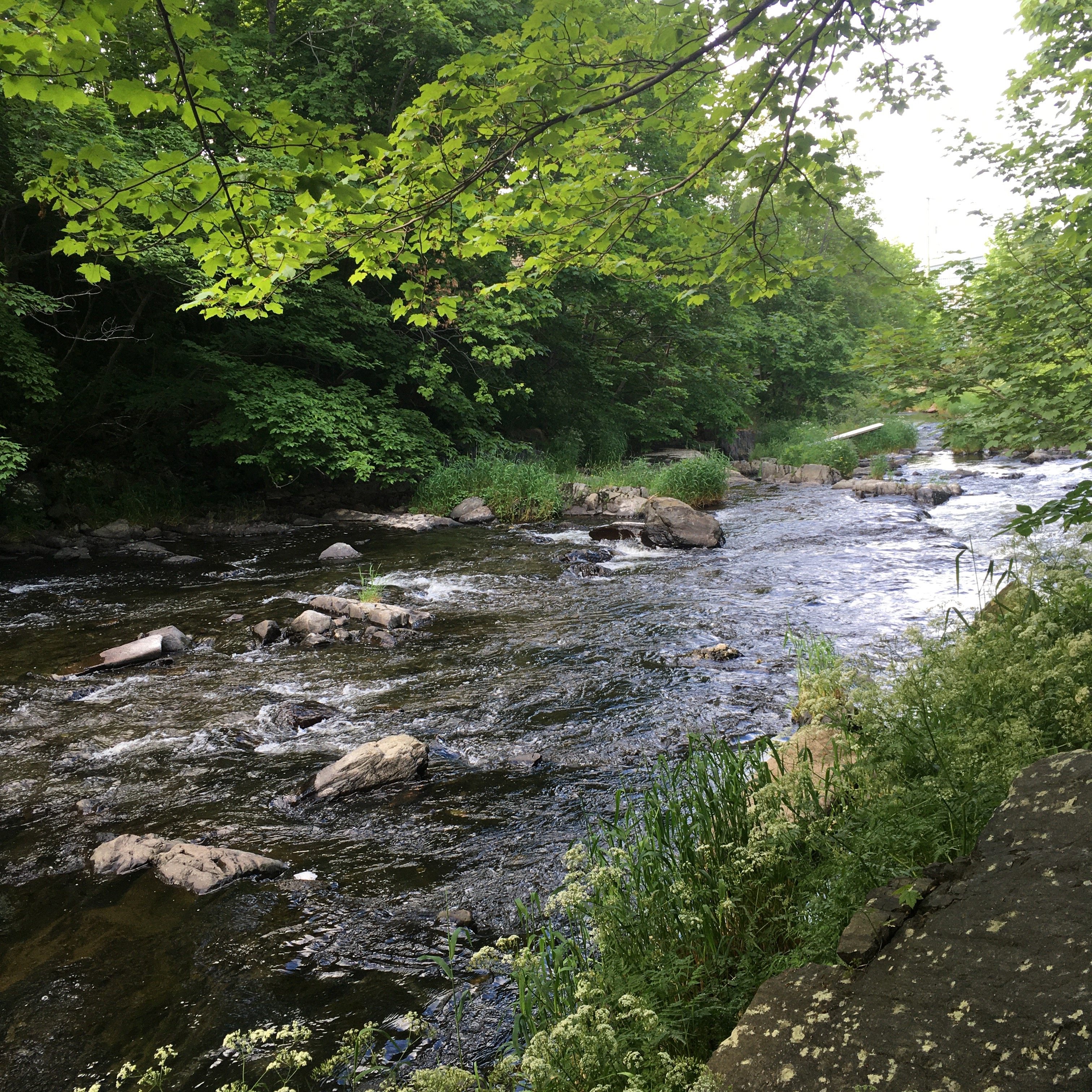
Past rocks and rapids…
IMG_7133
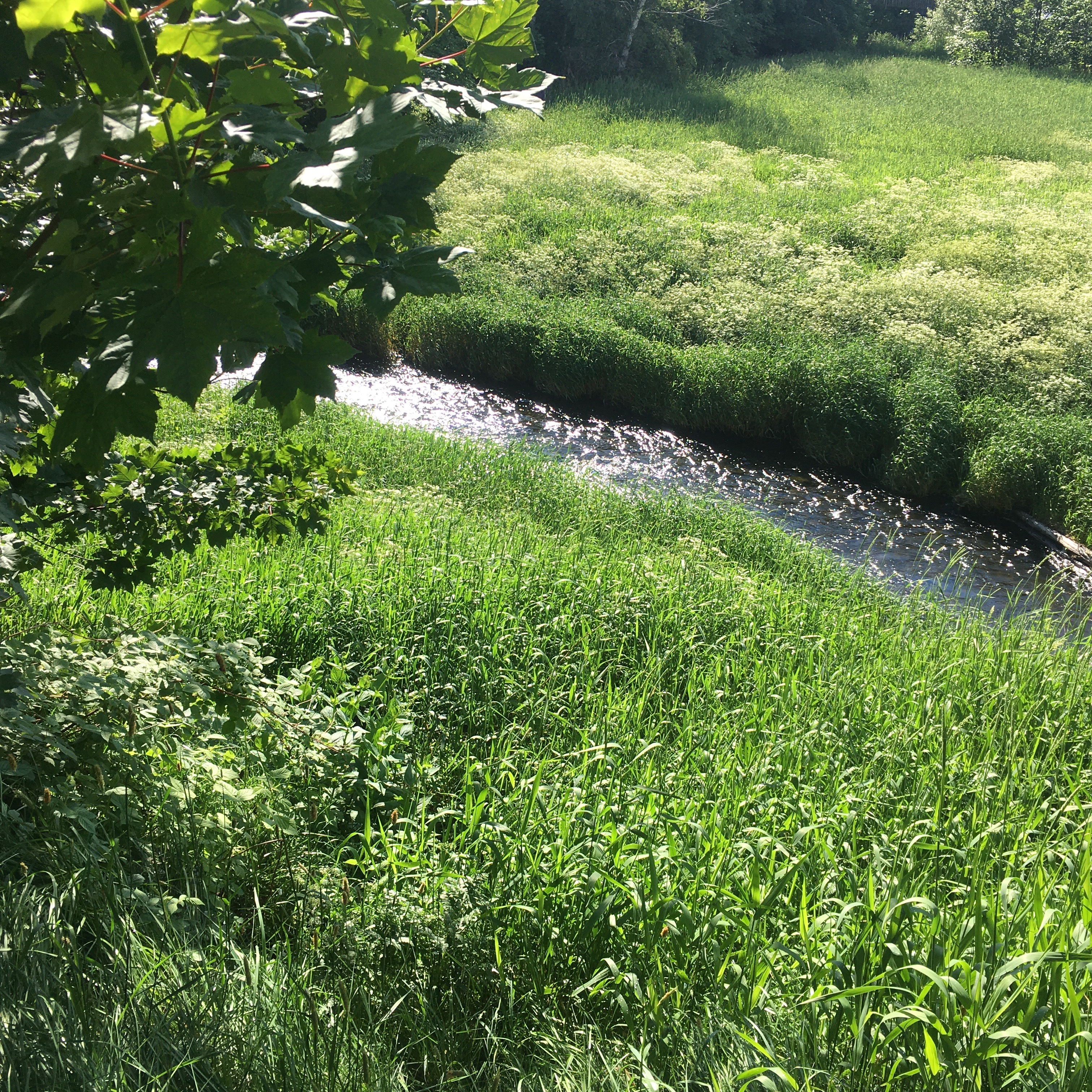
A peaceful meander through meadows…
20160624_183946

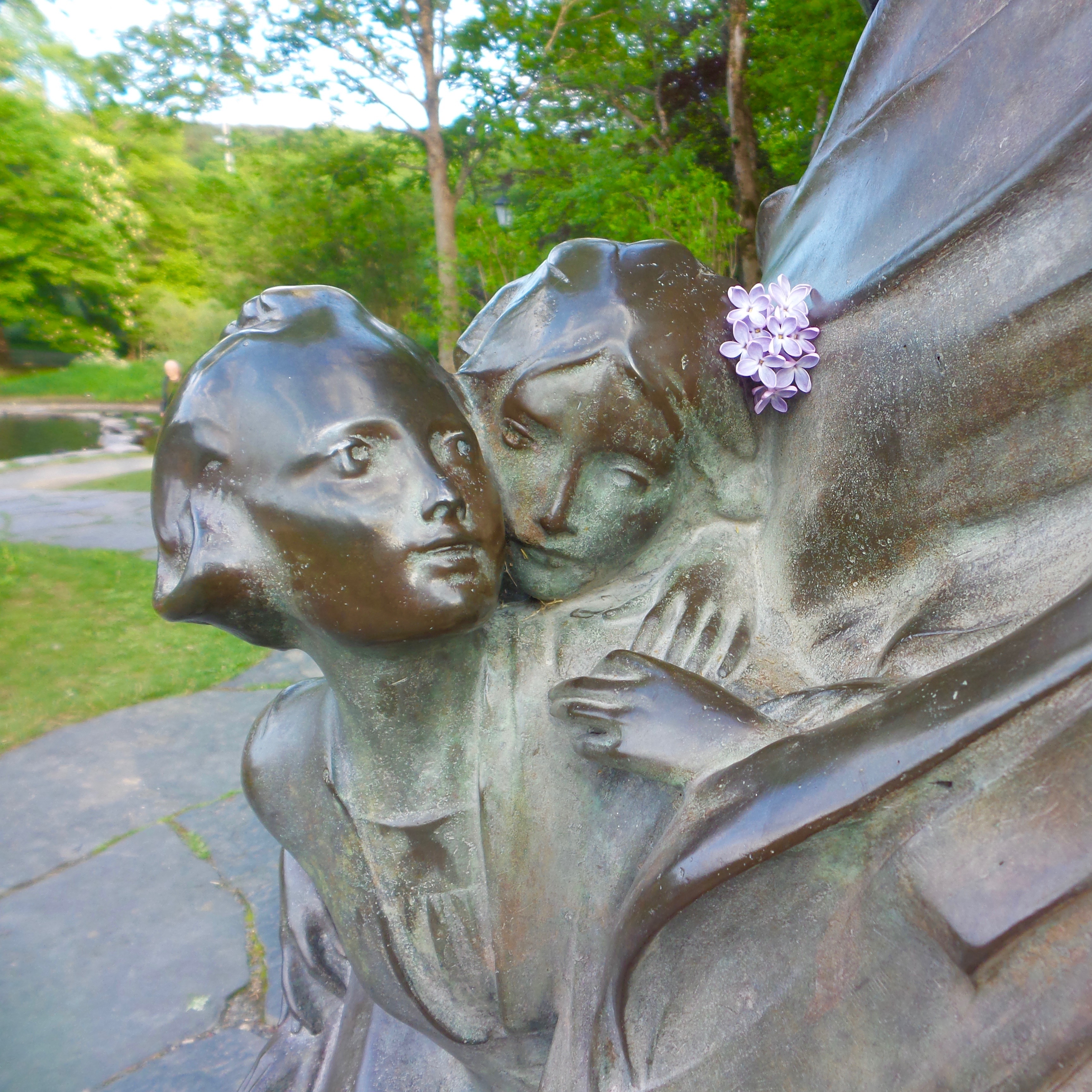
To Bowering Park and pause for a break by the duck pond and the Peter Pan statue (detail in this photo) erected in memory of Sir Edgar Bowering’s three year old granddaughter, Betty Munn, who died in the wreck of the SS Florizel in 1918.

The trail continues west all the way across the island but I stopped here.

Active transportation route from Rennie’s River to Torbay Road Mall

IMG_6855

(I’ll have more to say about bicycles in the next couple of posts.)

Plenty of people in St. John’s get to work, school or appointments using active transportation, by choice or because they have no choice, but I’m not sure how many think of our wonderful network of trails as possible commuting routes. Following my Jane’s Walk on a Grand Concourse trail route from Downtown to MUN along the Rennie’s River and Long Pond, I’m going to do a series of posts about possible commuting routes using trails. I will look at the beauty and pleasure of these routes but also their practicality, potential and accessibility. Please note that I am not at all an expert on accessibility but I have noticed that some trails are advertised as accessible when they obviously aren’t so I hope to start a conversation. If you know more about this than I do or have personal experience, I’d love to hear from you in the comments and will correct any errors I might make and add updates.

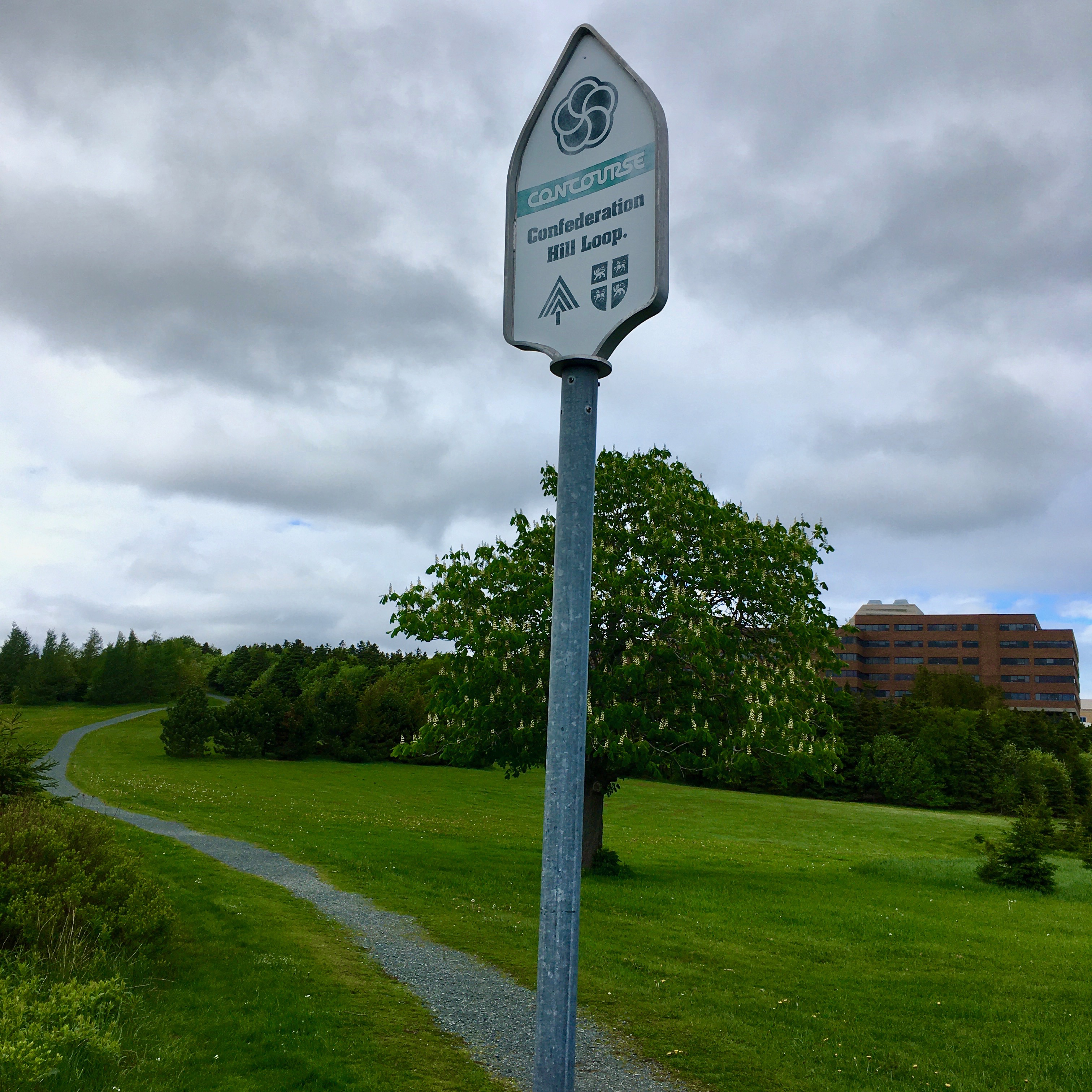
Here is the second in my series, starting at the point where the Rennie’s River Trail meets the Prince Philip Parkway. (Please see previous post for more detail). I had an errand at the Torbay Road Mall to pick up a small parcel and decided to do it on foot from downtown. The first part is the same as my Jane’s Walk. When I got to the Parkway, instead of heading to Long Pond and MUN, I took the path to the Confederation Centre.

IMG_6875

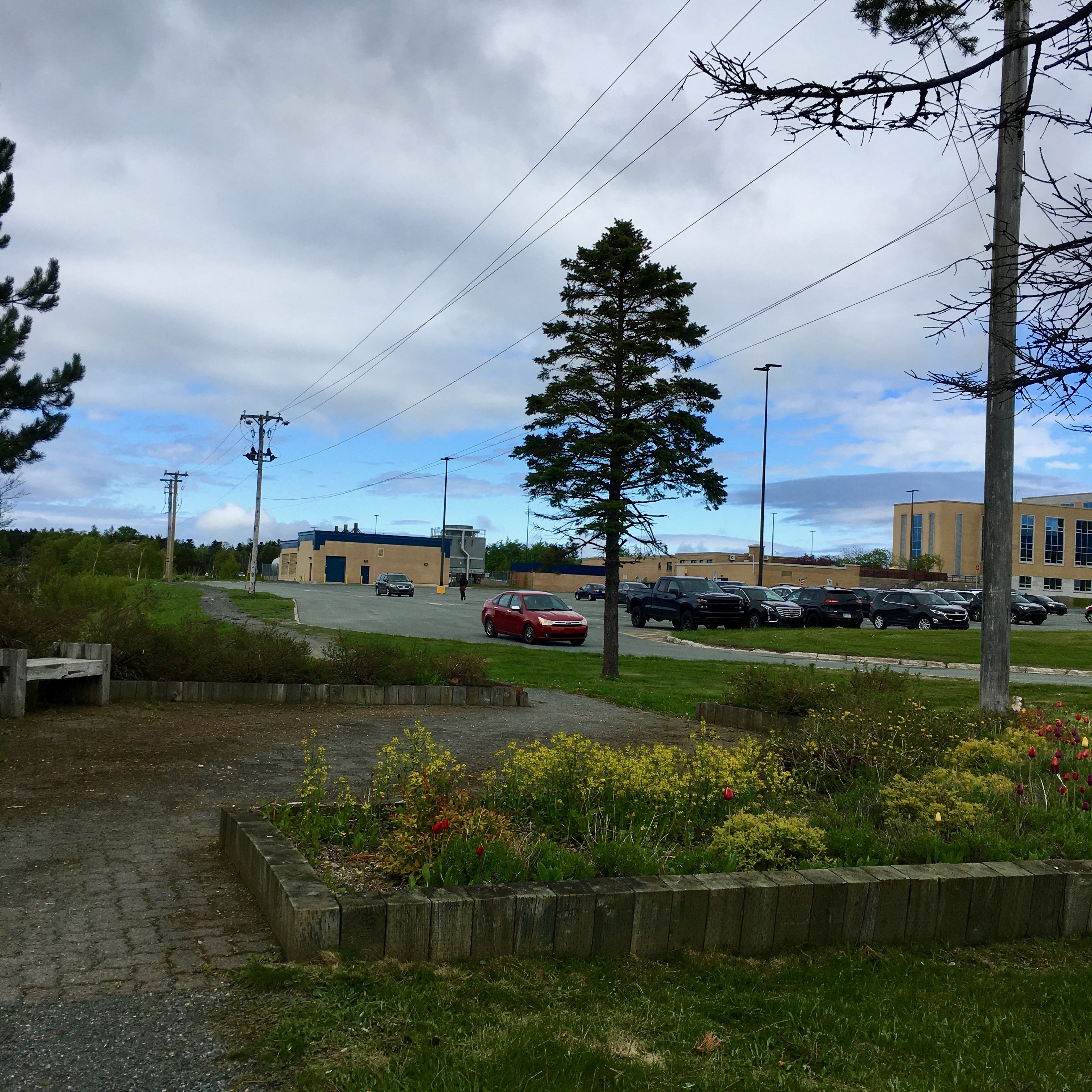
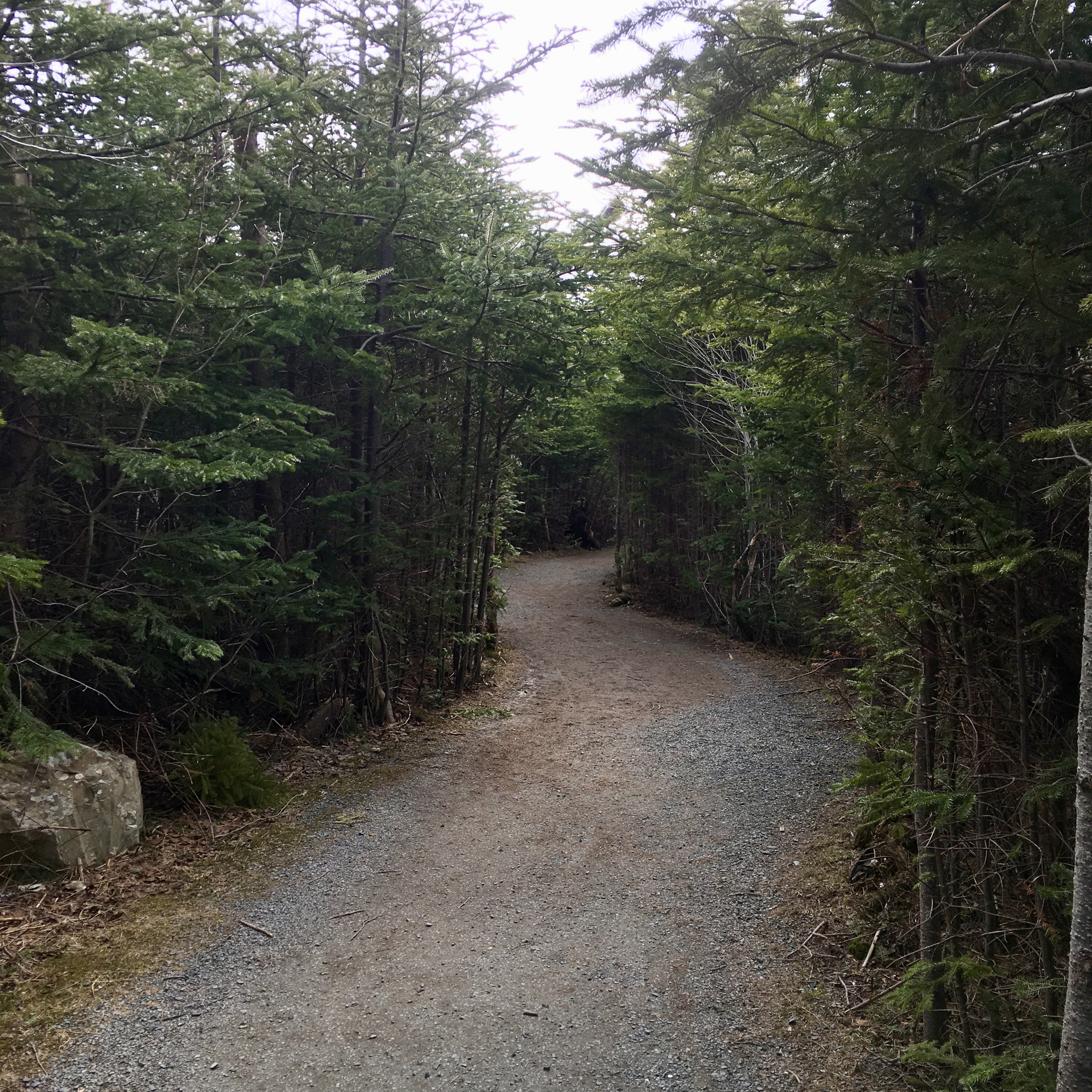
Behind the government buildings, the trail follows the parking lot and then heads into the woods towards Kent’s Pond.

IMG_6876

IMG_6878

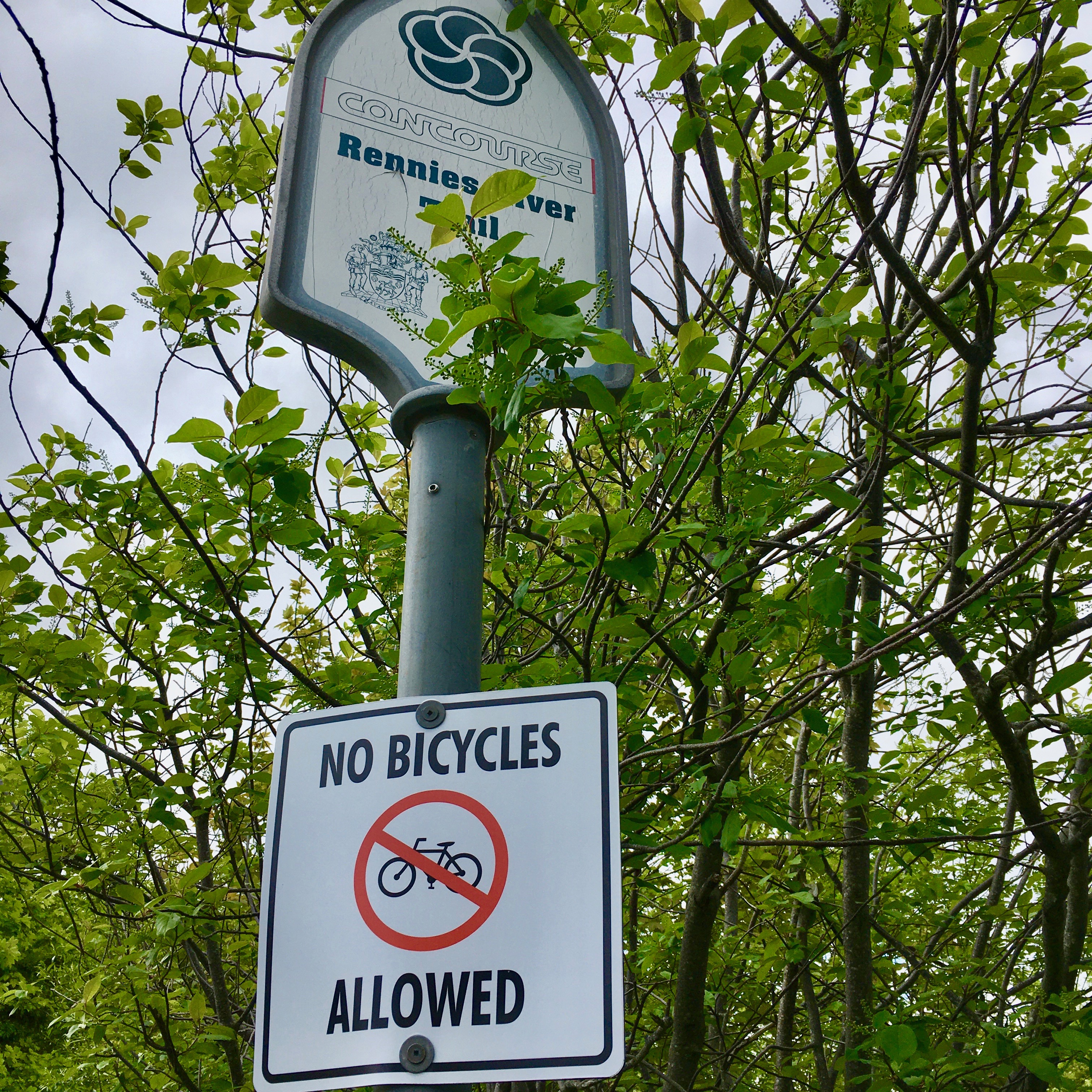
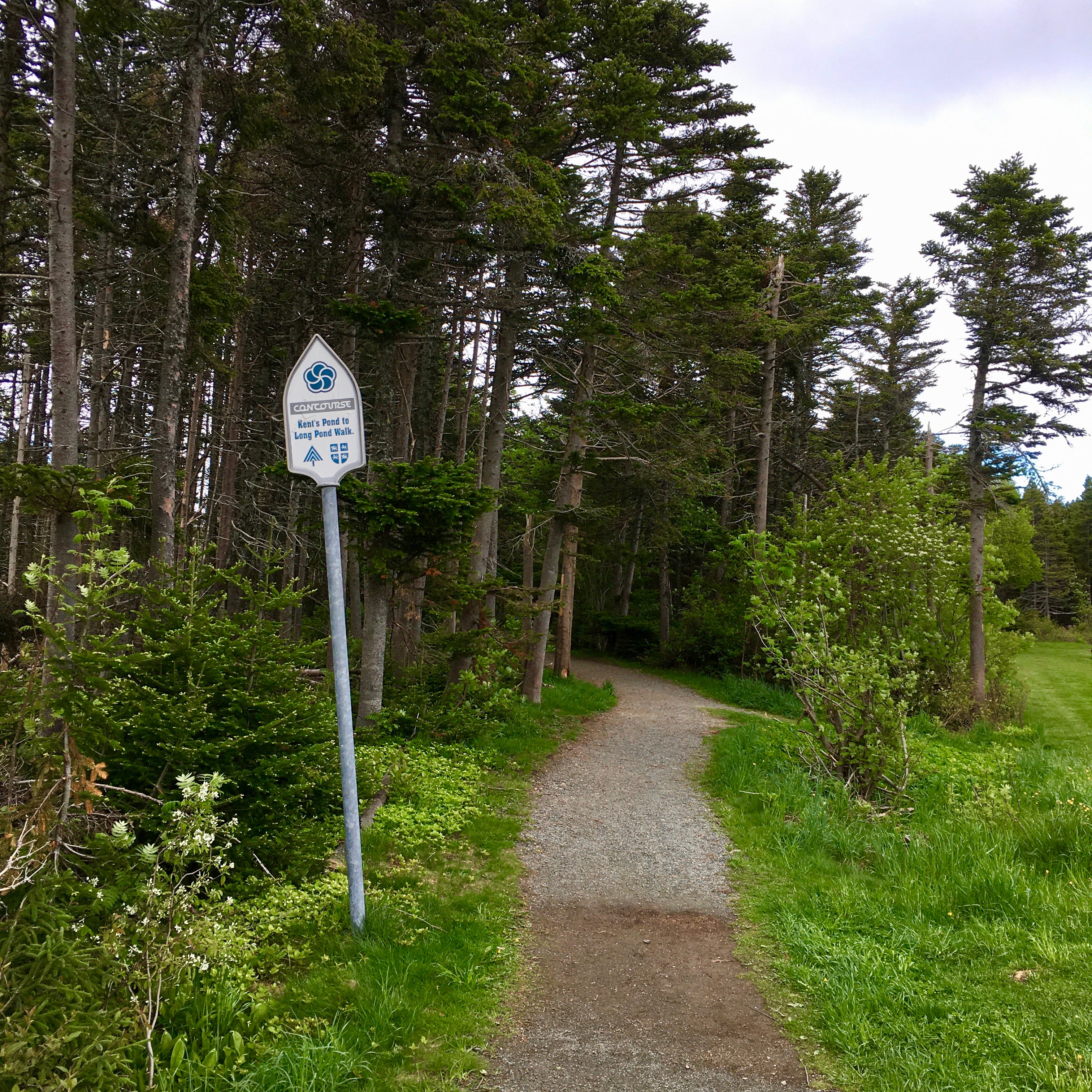
There are a couple of places where the path forks but it’s very well marked. You really can’t get lost. I’m not sure how wheelchair accessible this path would be but, unlike the Rennie’s River Trail, which claims to be accessible, there aren’t any stairs. It seems to me it would be quite good for cycling too but that isn’t allowed.

IMG_6882

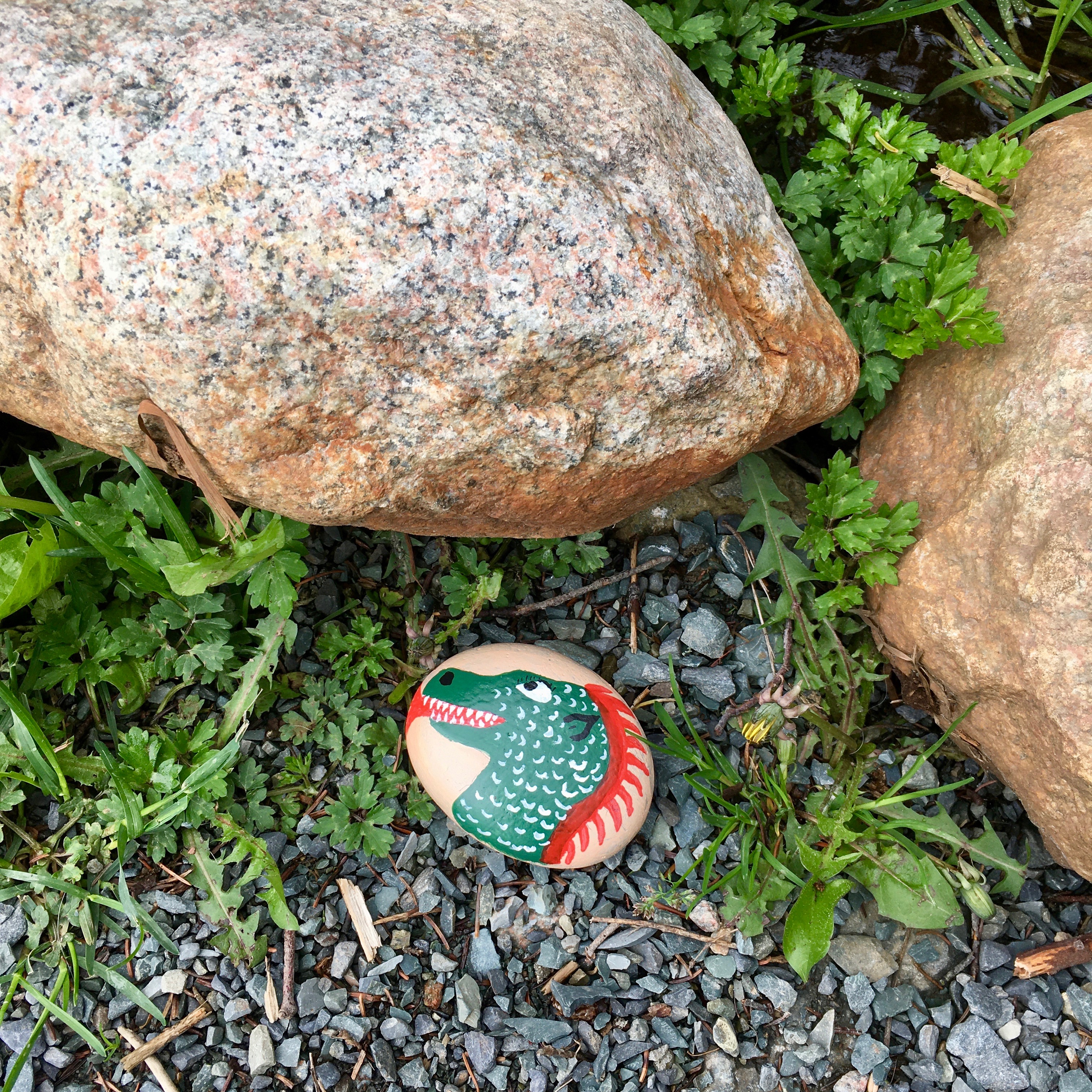
People have been hiding painted stones along all the trails for children to find and rehide if they have hand sanitizer or take photos of if they don’t. My grandchildren love this. The older one calls them “coupa stones,” referring to something in a video game I think, and the little one calls them “coupa eggs” because he’s a bit confused between Easter egg hunts and regular hikes with painted stones. I saw this one by Kent’s Pond and it’s one of the nicest ones I’ve seen.

IMG_6884

View of Kent’s Pond from the trail.

IMG_6891

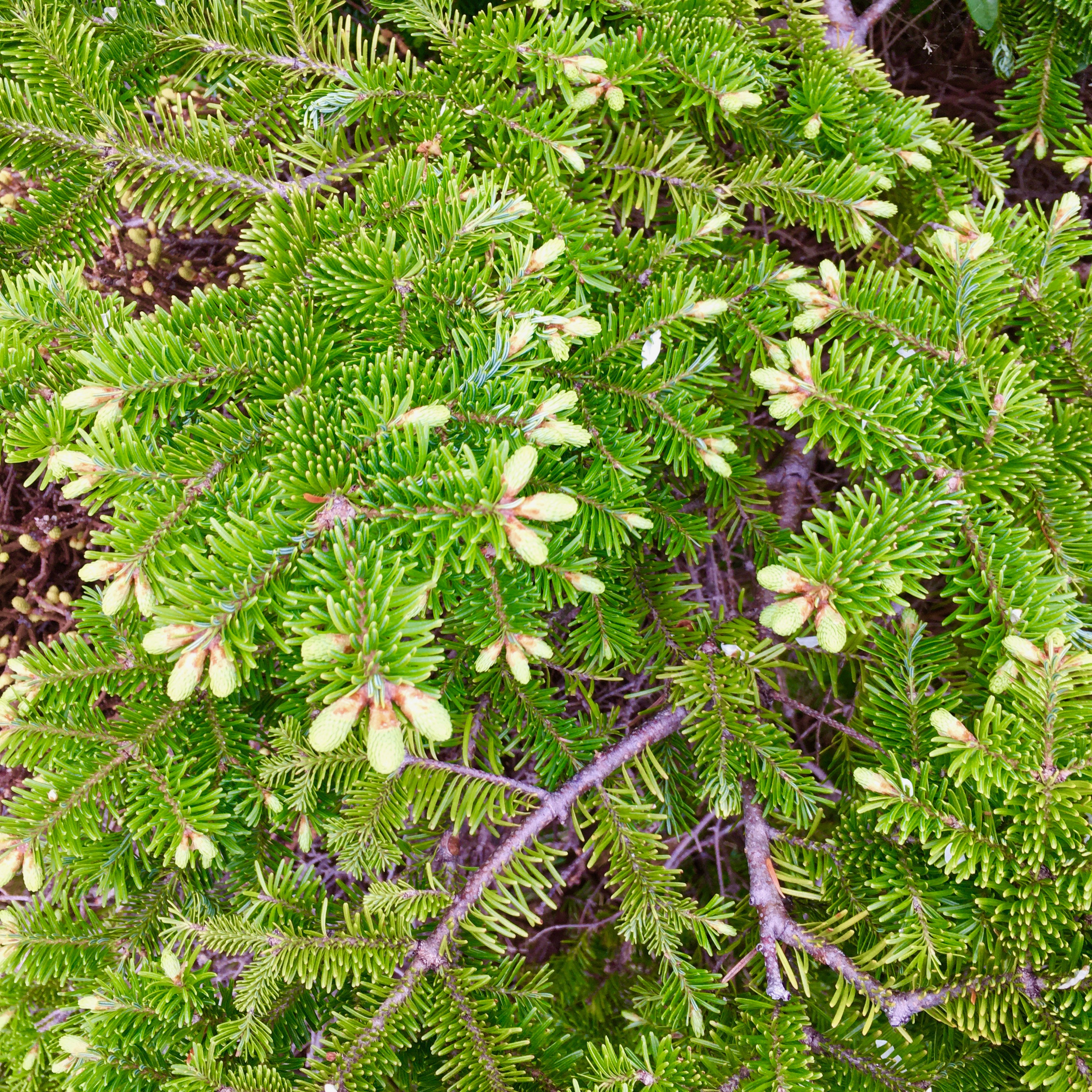
Spruce tips along the trail. This was a couple of weeks ago and they’re just about over now but here’s some information about foraging them and a recipe for spruce tip ice cream. I made a spruce tip cake from the fabulous Two Whales Cookbook from the café in Trinity East, which you can order at this link and it was delicious.

Exit the trail at Portugal Cove Road, cross the road at the intersection, turn right and enter the trail to Kenny’s Pond behind the Holiday Inn, continue east along Kenny’s Pond. I stopped taking photos at this point because I needed to be at my destination before 5:00 and realized I had to hurry. I did take a couple at the very end though, so here they are:

IMG_6895

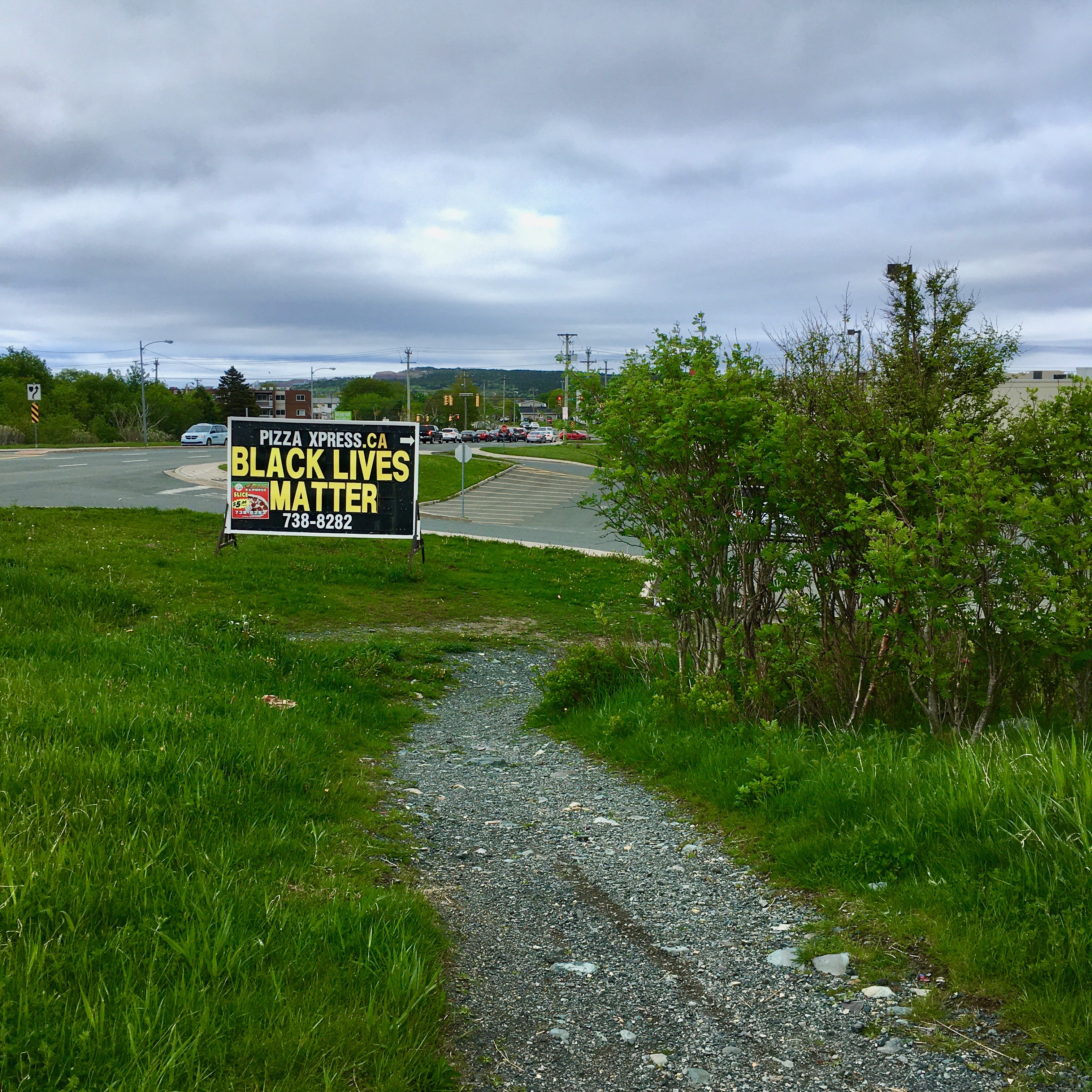
Guerrilla pathway and sign of the times.

IMG_6897

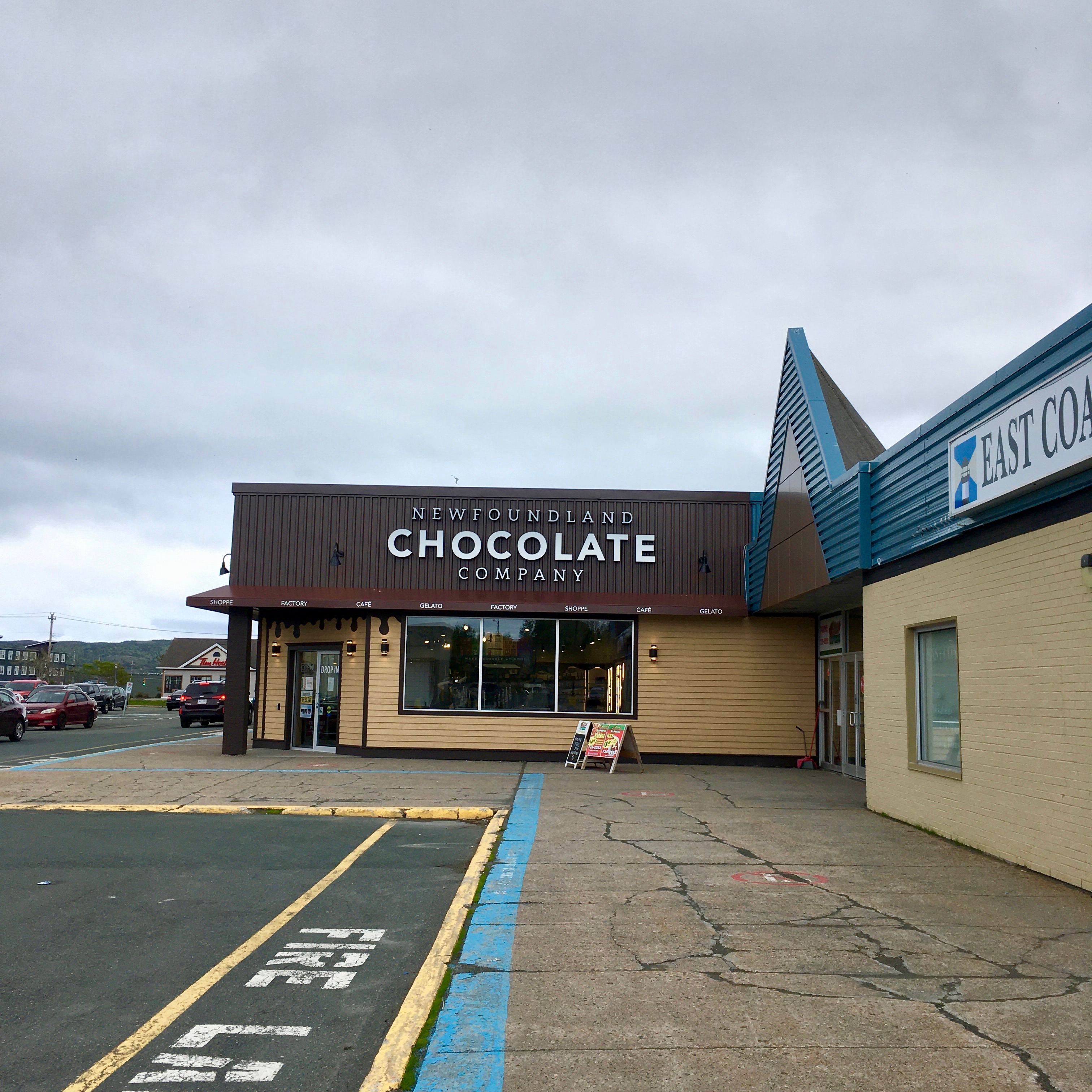
Reached my destination just in time to pick up chocolates for Father’s Day and a delicious and very welcome café latte before they closed!

Jane’s Walk 2020

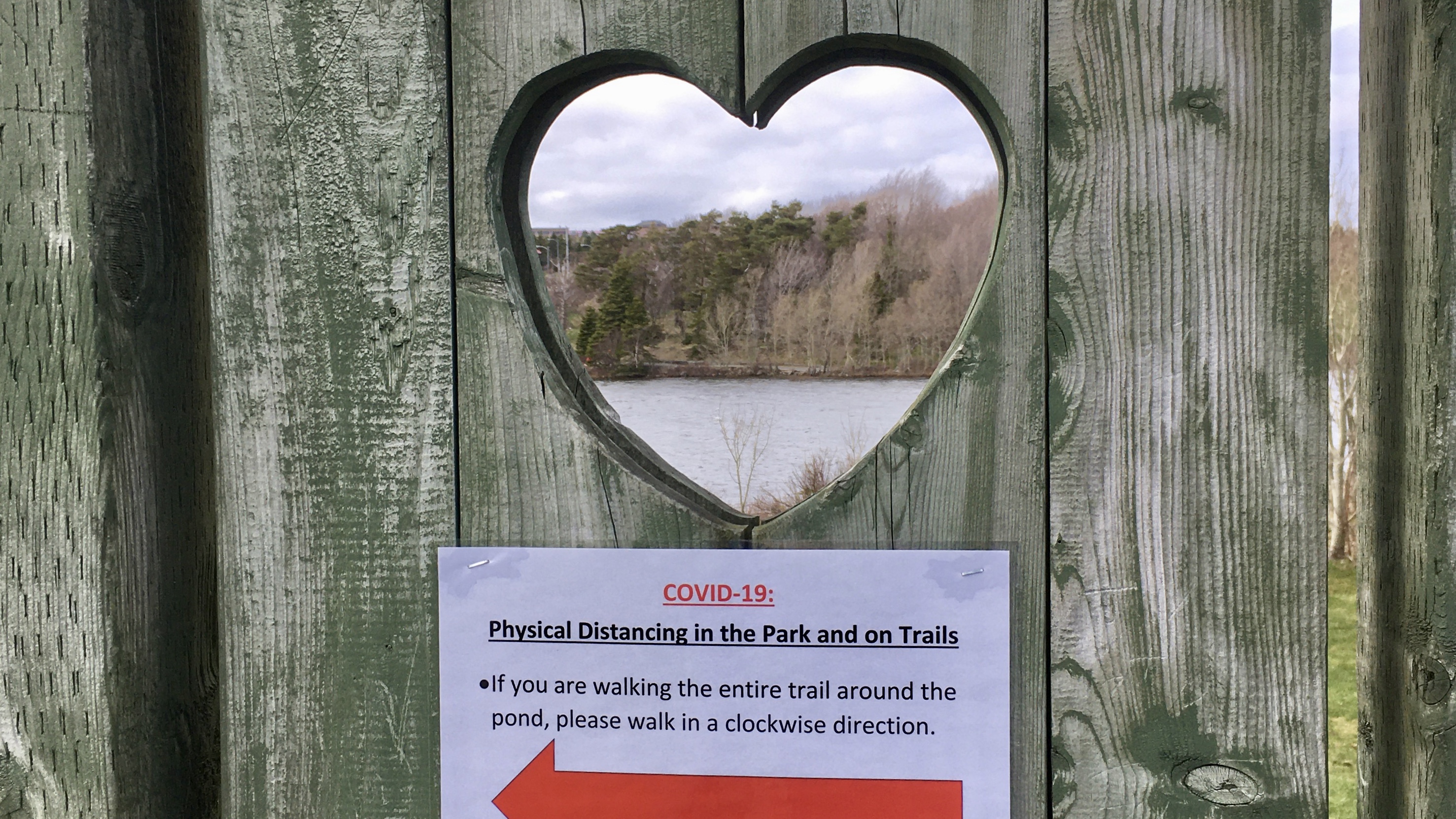
For the past few years I’ve been wanting to do a Jane’s walk. This year, with all the pandemic complications, I finally did one. The focus is active transportation and I walked, mostly by trail, from home to work. This was a few weeks ago. I tweeted it out at the time but here it is again for the record, with the tweets presented as a photo essay.

Commuting by active transportation

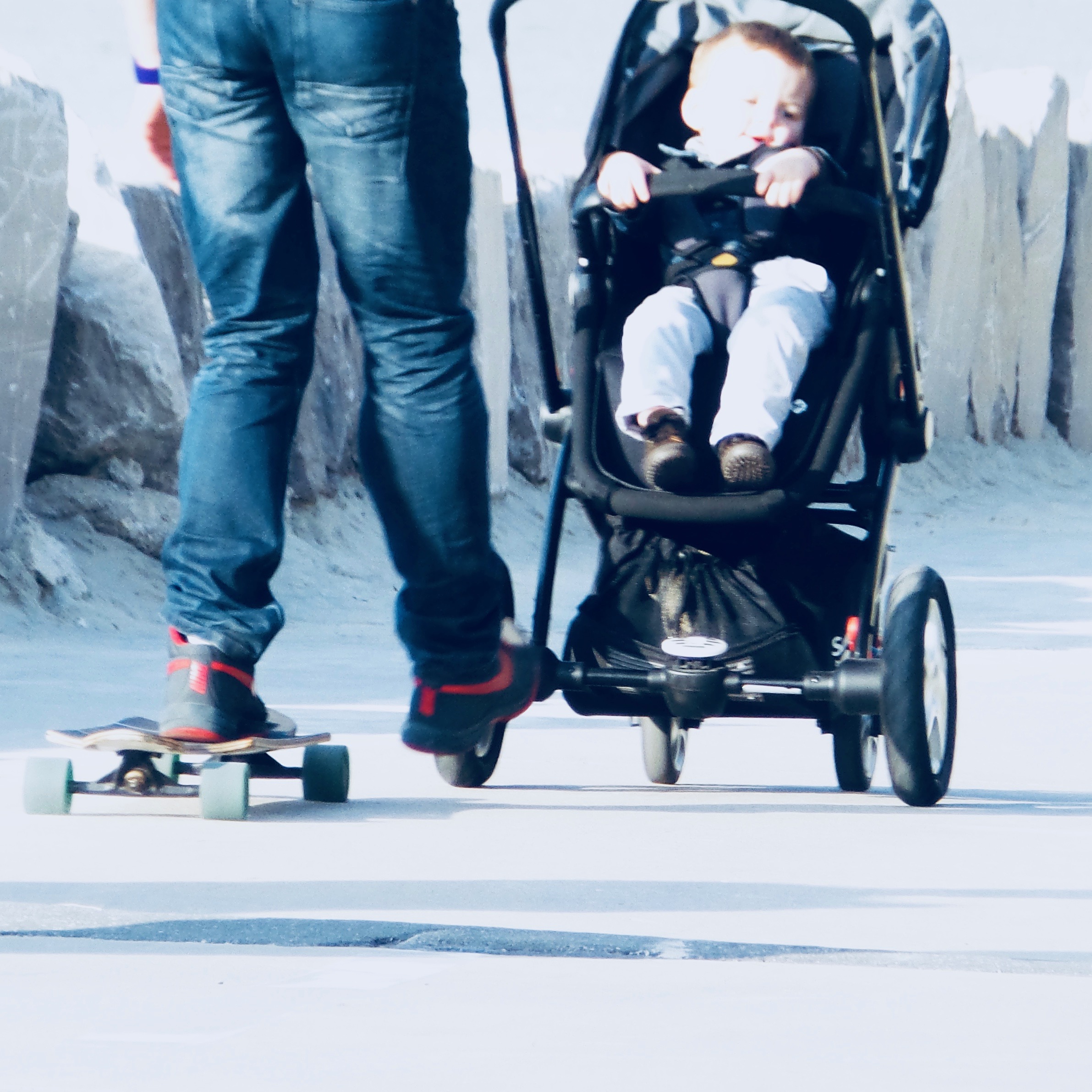
skatestrollerFirst, choose your mode of transportation.
IMG_6705

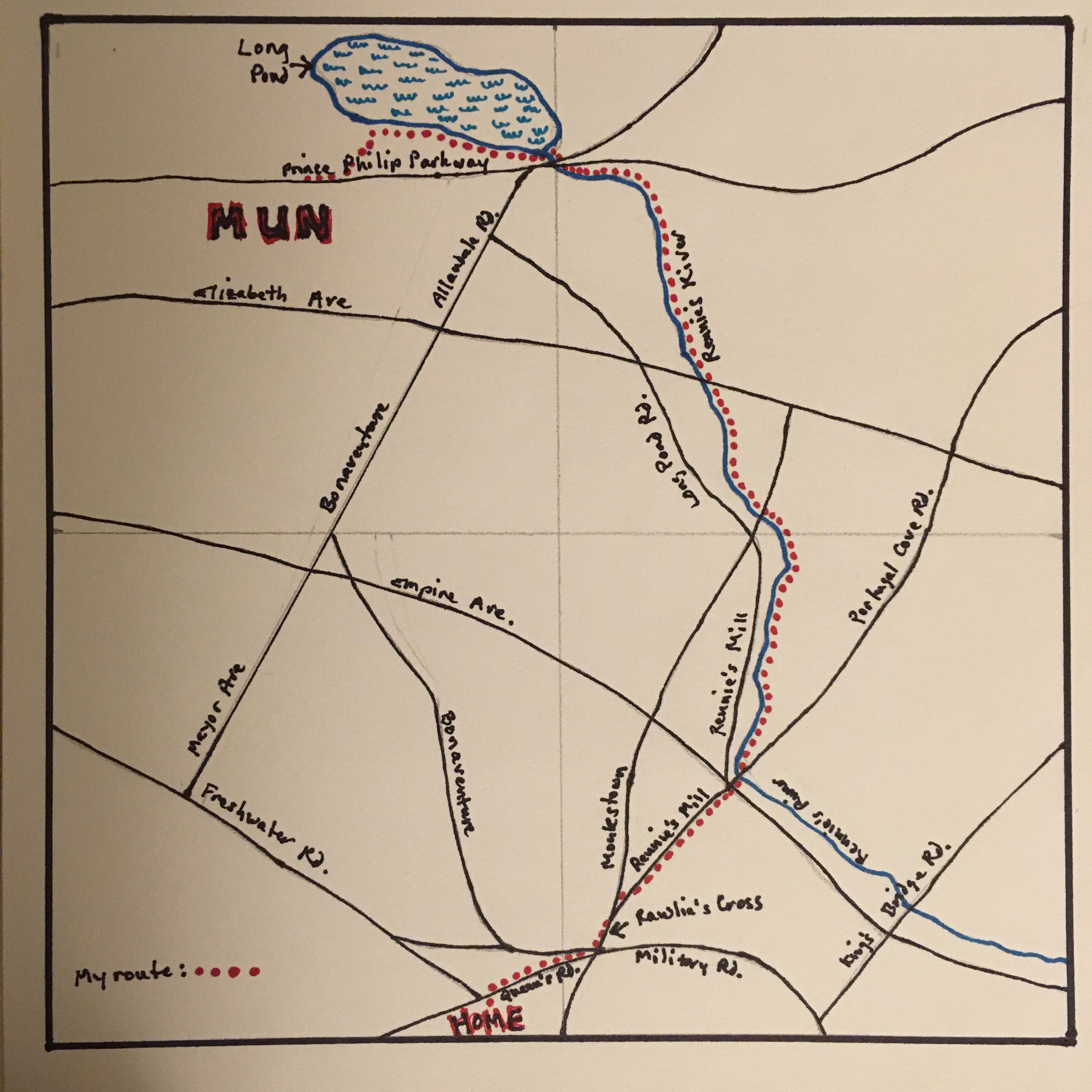
You can use my map or go to grandconcourse.ca for a digital one and much more.

fullsizeoutput_e2c

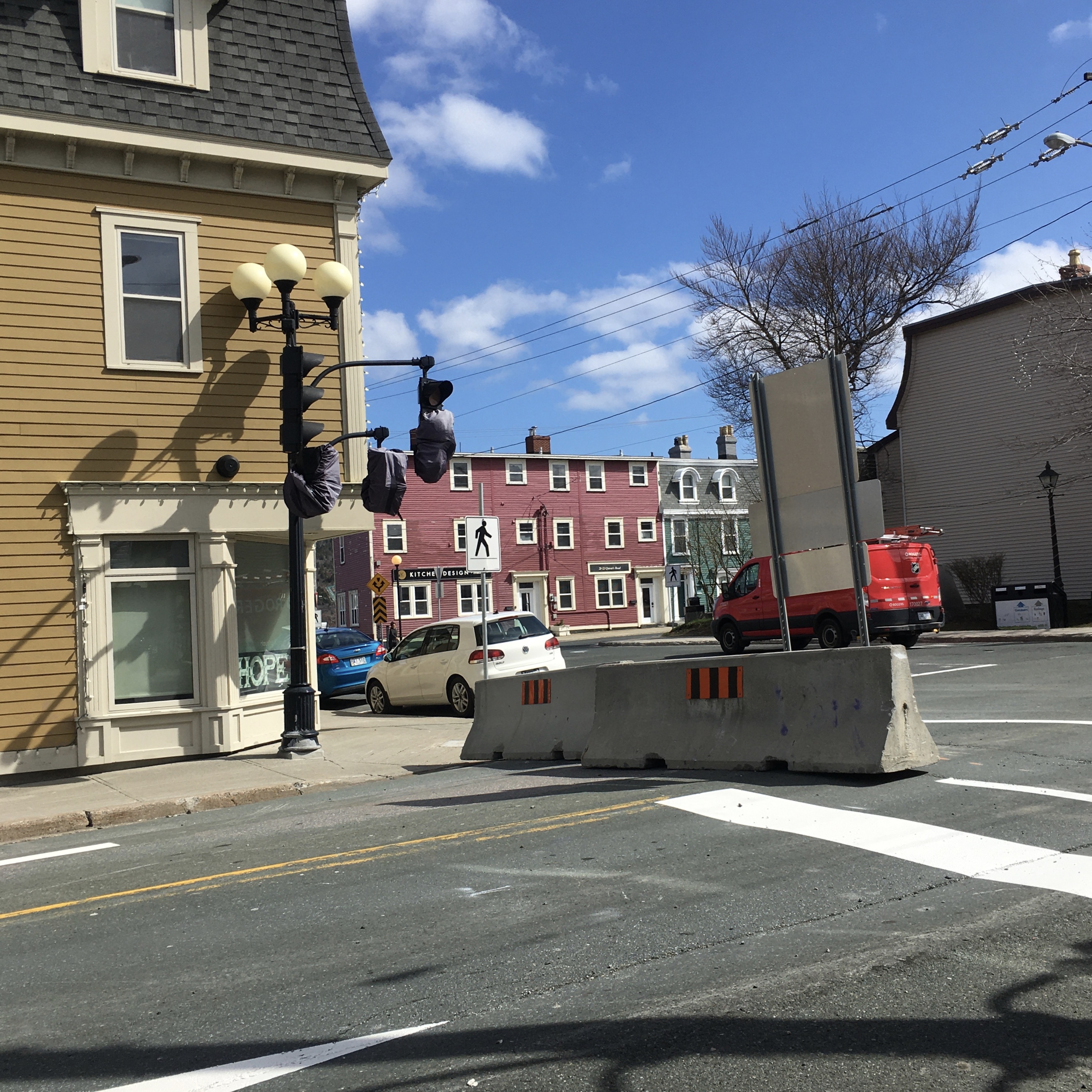
1. Rawlin’s Cross, it’s surprising how relaxing it is walking through this little car free stretch. (This is what I tweeted at the time but now this little stretch is gone and the traffic lights have been replaced. I think they needed to be replaced, for safety and accessibility, but felt sad to lose that space and wondered if there couldn’t have been a better option than either of the ones that were tried.)

fullsizeoutput_e07

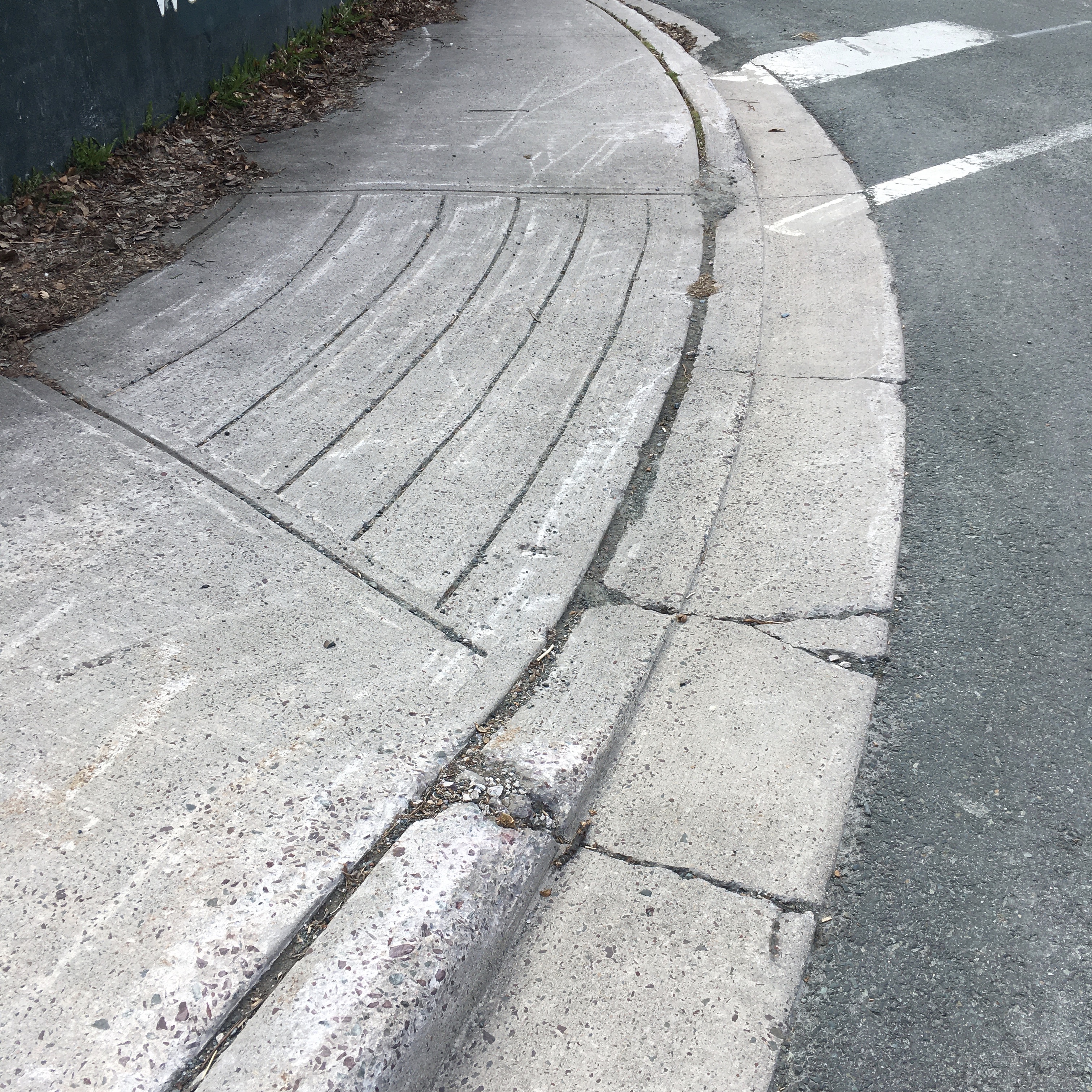
2. Wondering how accessible the rest of the route will be. Curb cuts on Rennie’s Mill Rd. intersections are good for wheelchairs and strollers.

IMG_6638

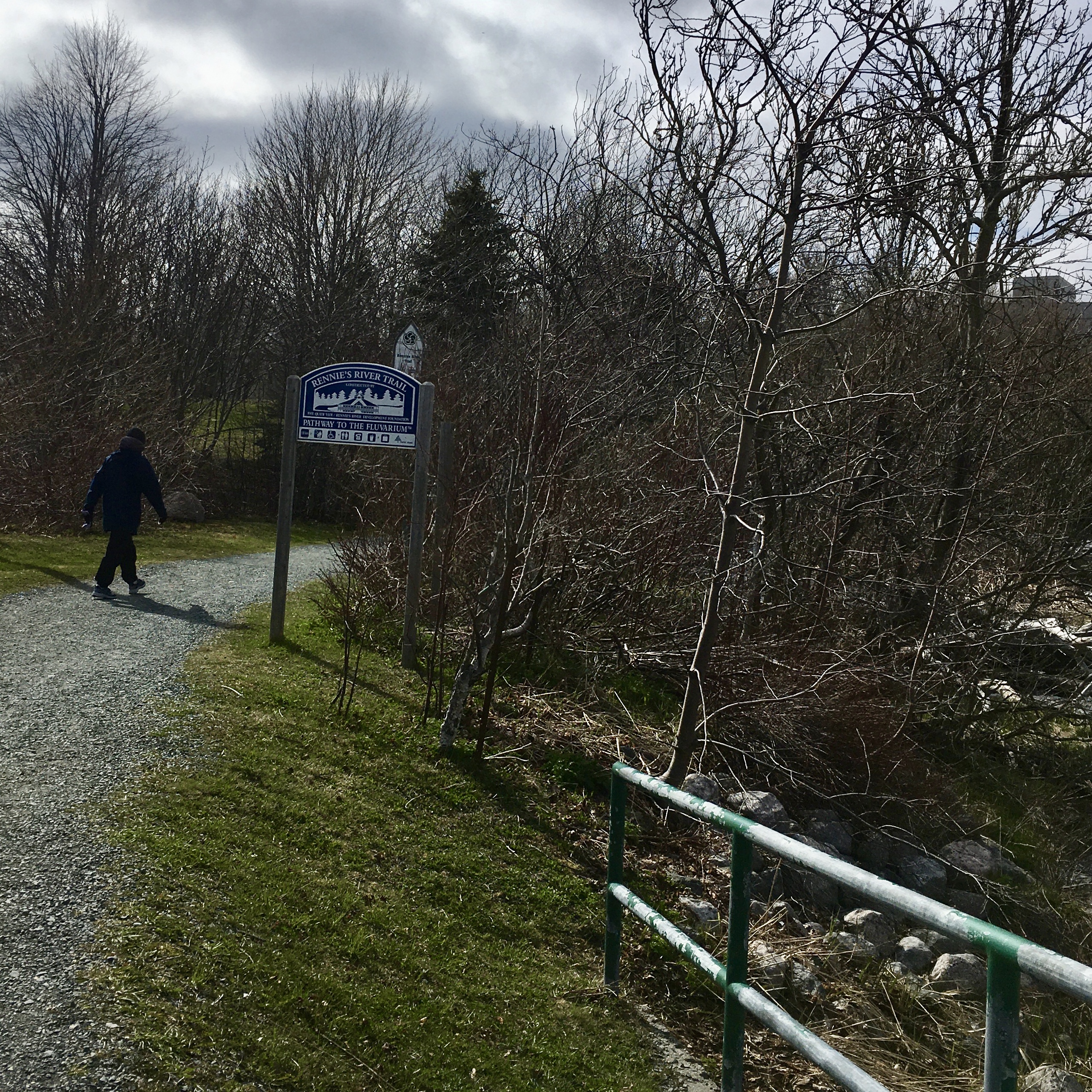
3. My walk is from home to MUN – about 30 minutes via Bonaventure and Elizabeth (mostly clear sidewalks in winter!) but today I’m trying an off road route using the wonderful Grand Concourse trails. Entering Rennie’s River Trail from Rennie’s Mill Rd.

fullsizeoutput_e09

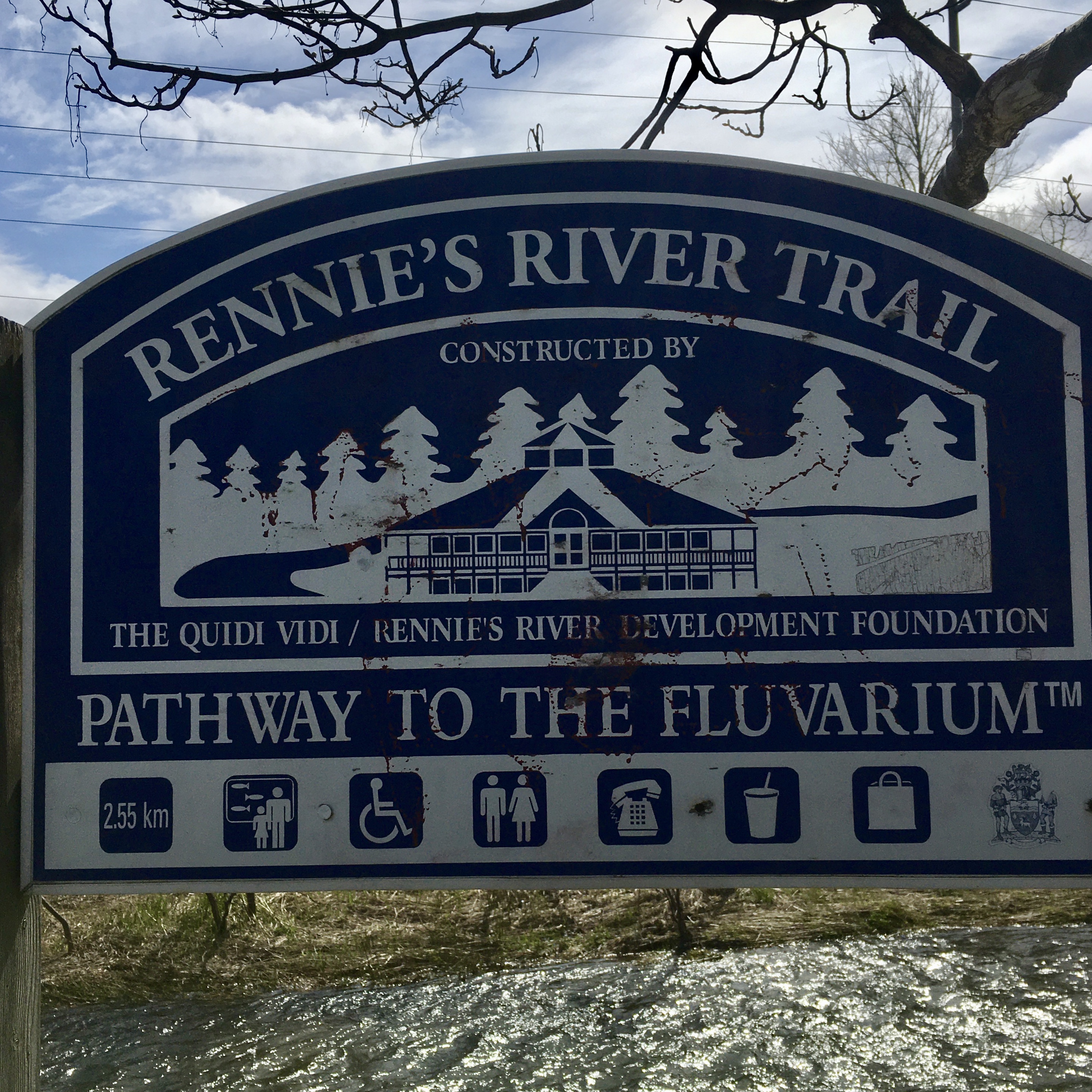
4. Lots of useful information on the sign. It indicates that the trail is accessible for wheelchair users.

fullsizeoutput_e0a

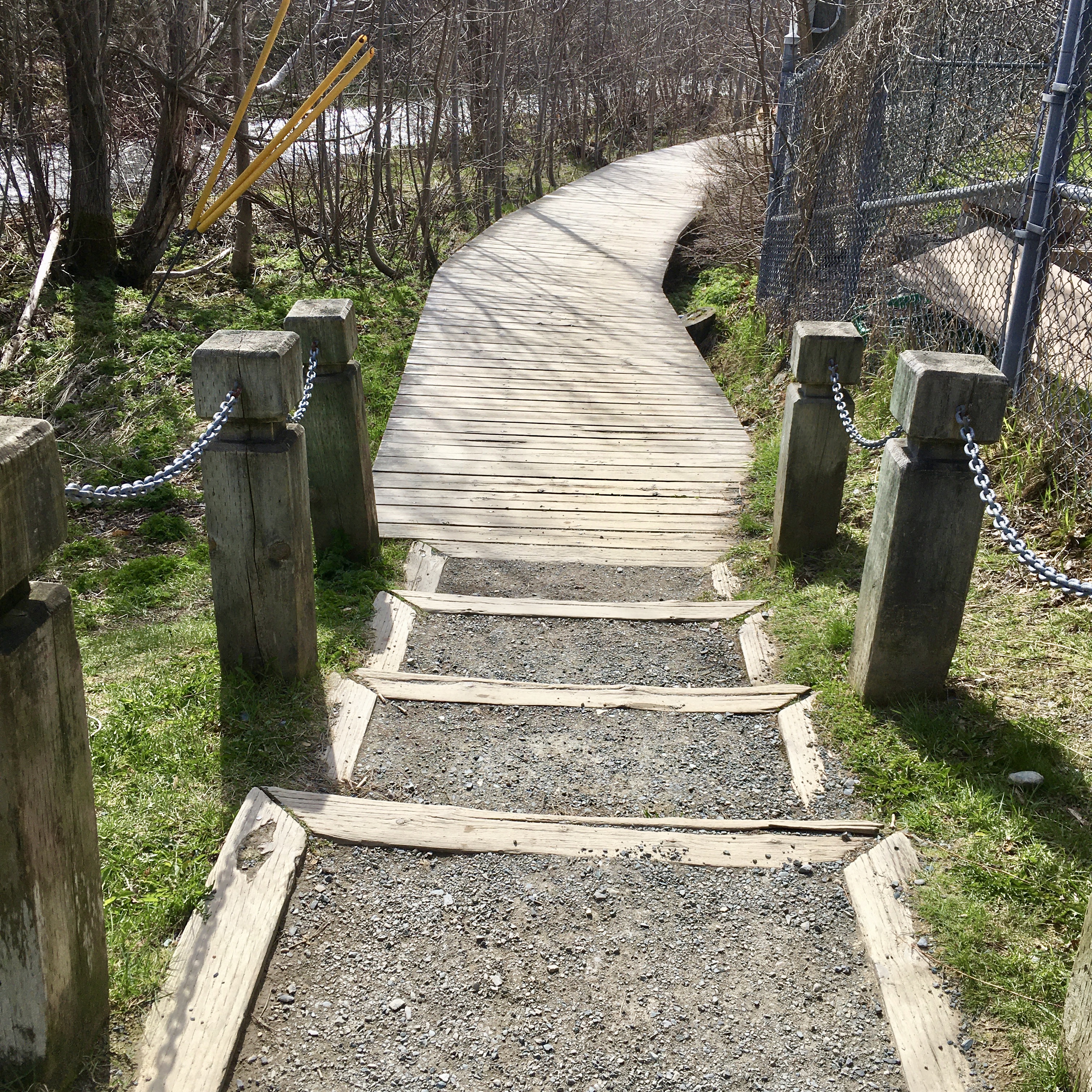
5. But there are stairs in a couple of places…

fullsizeoutput_e0c

6. Entering part 2 of the trail north of Elizabeth Ave. Such a beautiful walk, and right in the heart of the city!

fullsizeoutput_e0e

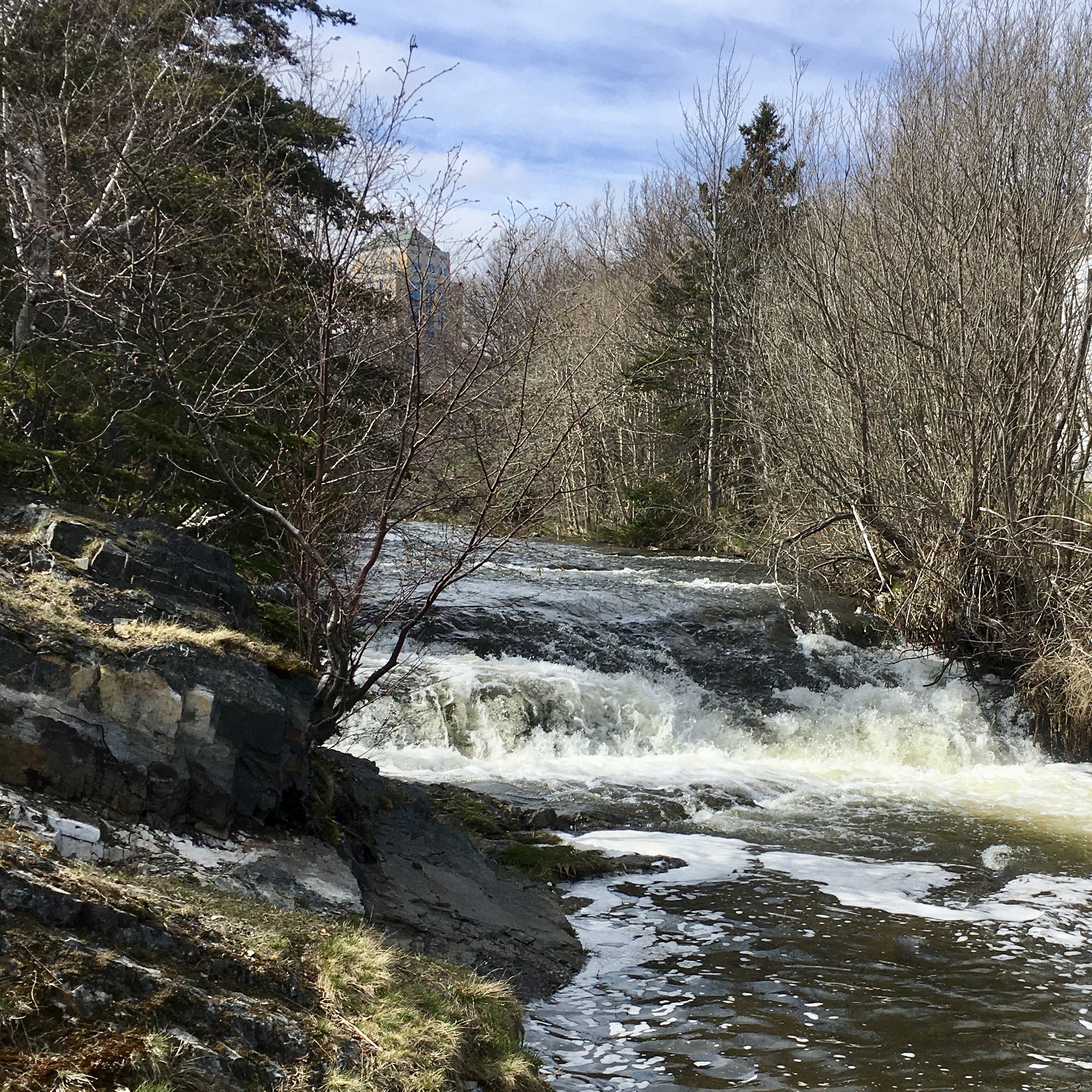
7. There are several beautiful waterfalls and rapids along the trail. In fall you can see trout jumping up them–amazing to watch!

fullsizeoutput_e10

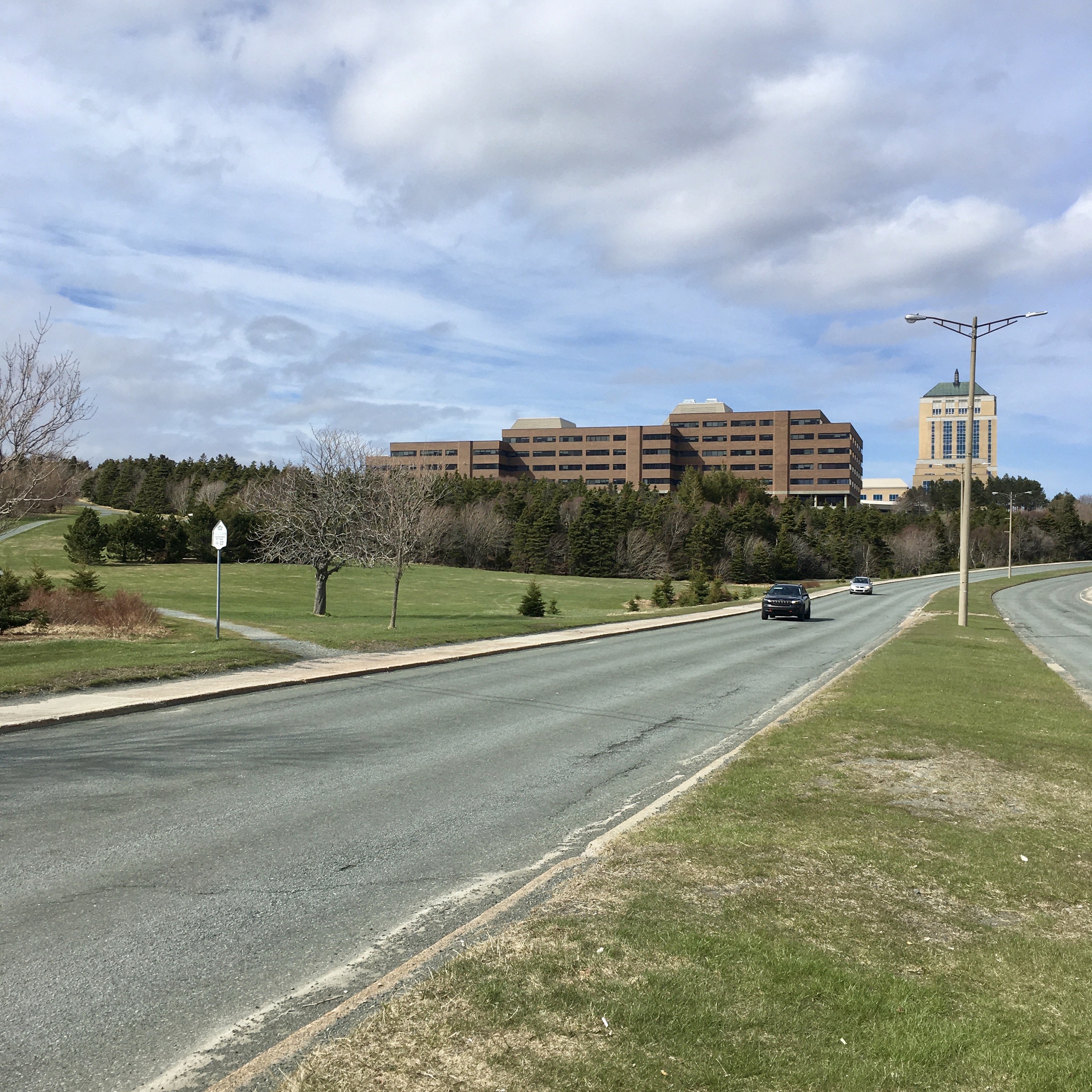
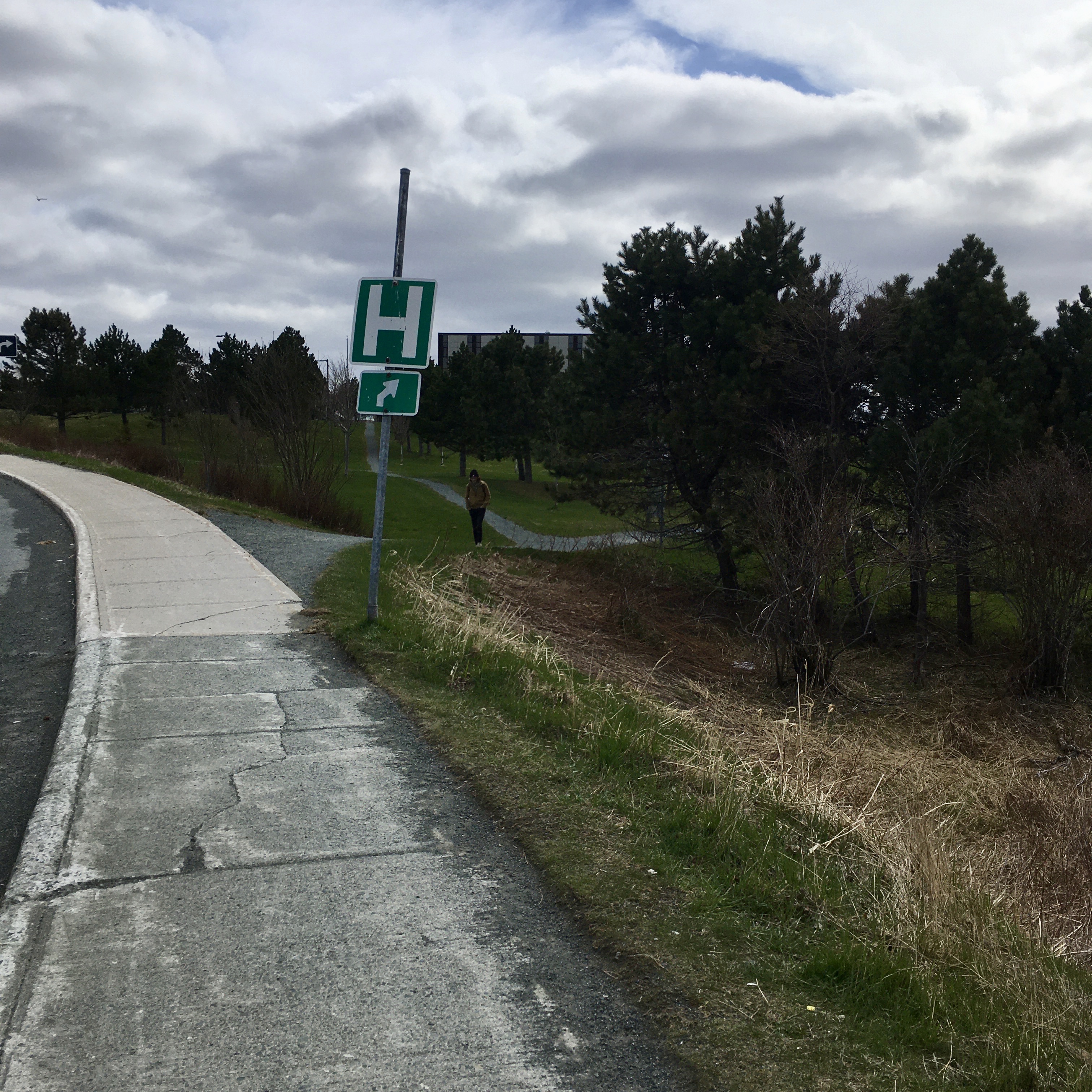
8. Where this section ends at the Prince Philip Parkway you can walk to the government buildings by this path. No crosswalk on the Parkway though, unfortunately.

10PathToLongPond

9. Cross Allendale to Long Pond. No crosswalk here either. Note guerrilla path making. As Jane Jacobs wrote “There is no logic that can be superimposed on the city; people make it, and it is to them, not buildings, that we must fit our plans.”

fullsizeoutput_e13

10. Entering Long Pond Path to head along the south side behind the campus. No curb cut for wheelchairs on either side of Allendale.

12SignOfTheTimes

11. Sign of the Times: We are so lucky to be able to walk freely here.

IMG_6675

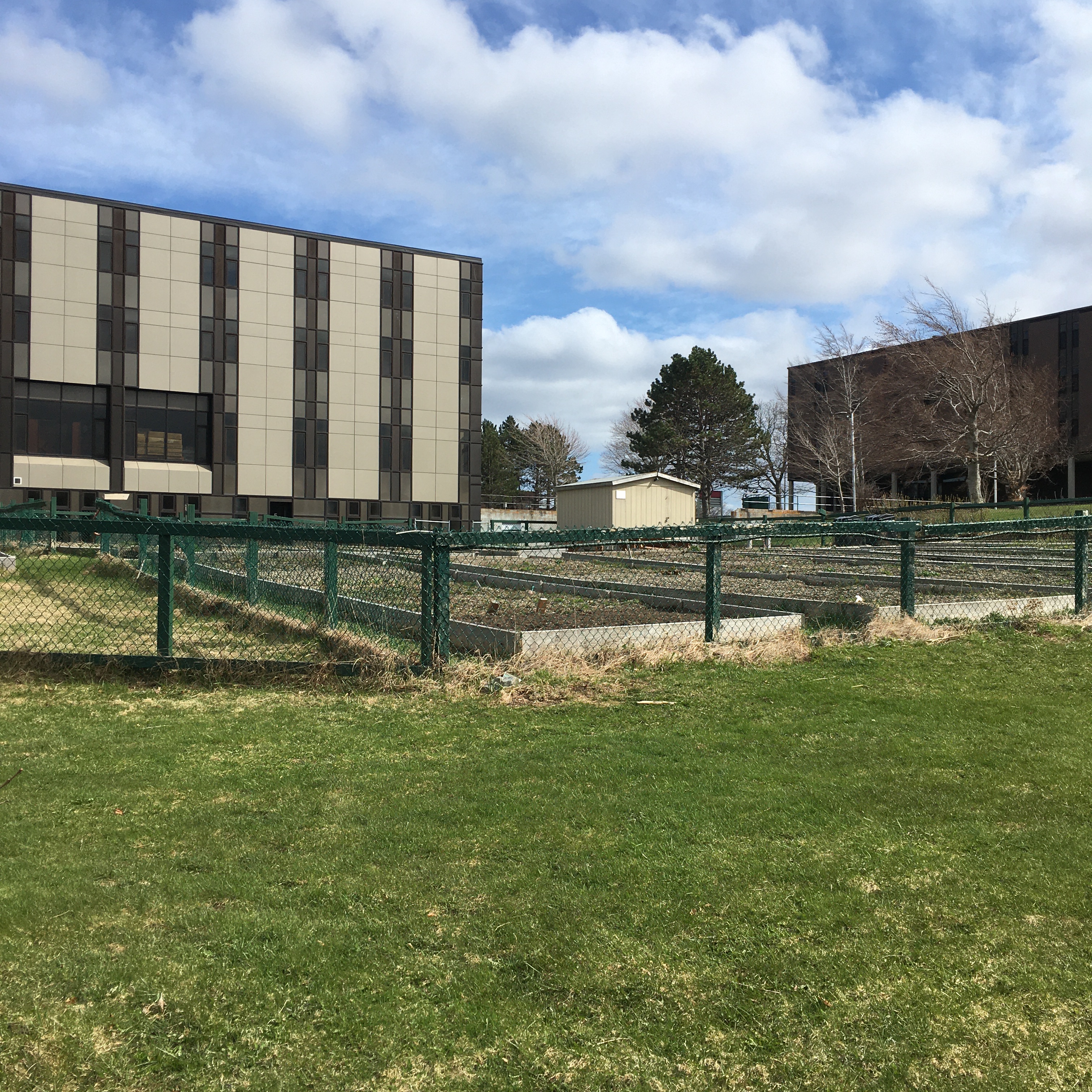
12. Interesting to see how the community gardens evolve over a season of walking commutes! Another Jane quotation: “Cities have the capability of providing something for everybody, only because, and only when, they are created by everybody.”

fullsizeoutput_e1a

13. Research finds people have lower levels of stress hormones after walking in woods than in urban or clinical settings. Also improved mood/ability to concentrate and sleep; reduced blood pressure/stress; better immune system/energy levels.

References:

Association of Nature and Forest Therapy Guides and Programs, 2019.

Ioannis Bakolis, Ryan Hammoud, Michael Smythe, Johanna Gibbons, Neil Davidson, Stefania Tognin and Andrea Mechelli, Urban Mind: Using Smartphone Technologies to Investigate the impact of Nature on Mental Wellbeing in Real Time, BioScience, 10 January, 2018.

Chorong Song, Harumi Ikei, Bum-Jin Park, Juyoung Lee, Takahide Kagawa and Yoshifumi Miyazaki, Psychological Benefits of Walking through Forest Areas. International Journal of Environmental Research and Public Health, 15(12), December 2018.

Qing Li, Effect of forest bathing trips on human immune function, Environmental Health and Preventive Medicine, 15(1): 9-17, 2010.

Shinrin-yoku (Forest bathing)

fullsizeoutput_e1c

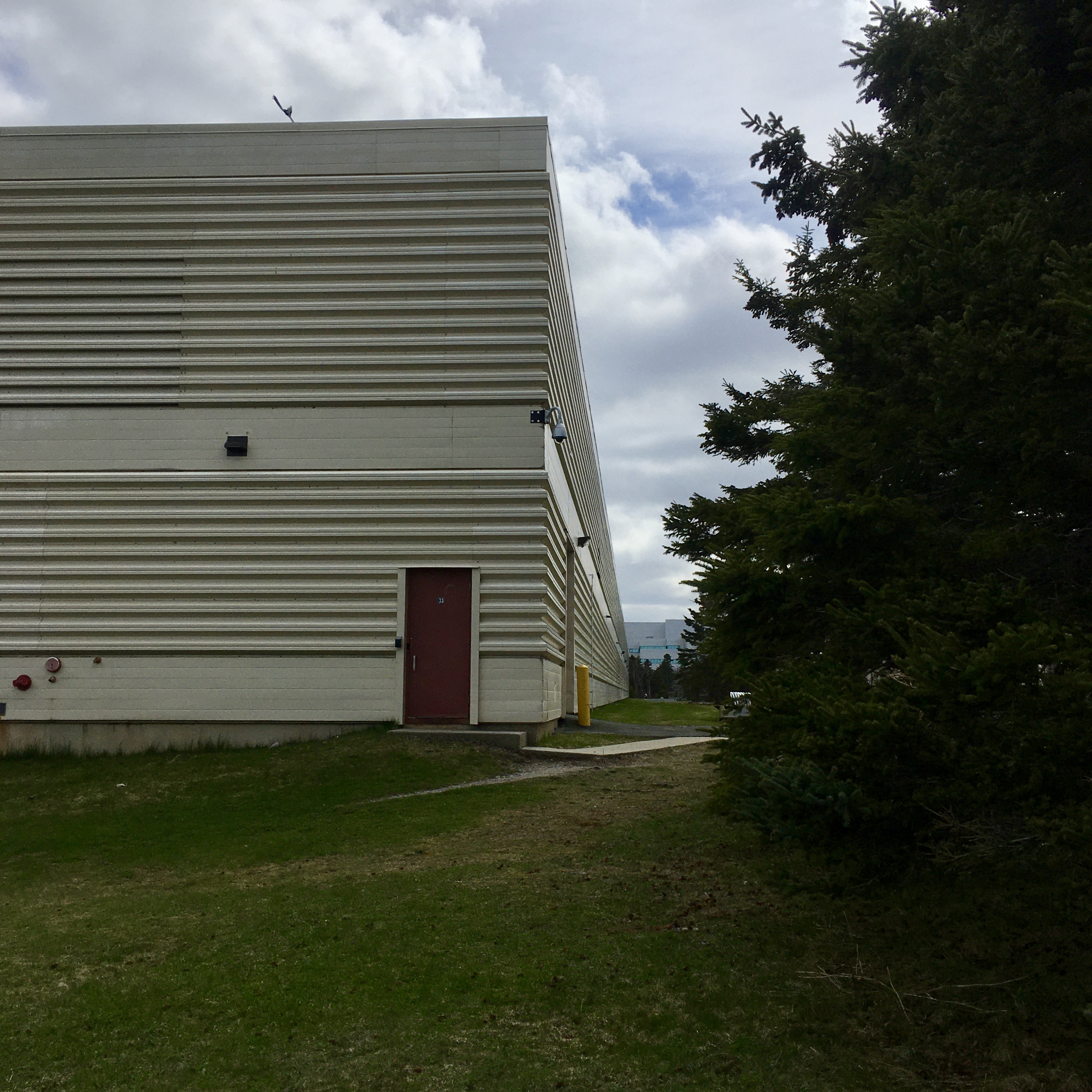
14. Exit the trail at the flume tank, where the storm at sea scene in The Shipping News was filmed.

IMG_6690

15. From here you can either walk on to Health Sciences or enter the northwest end of the main campus. It only took me 40 minutes, about ten minutes more than my normal walking commute. I should do this more often!

Sidewalks

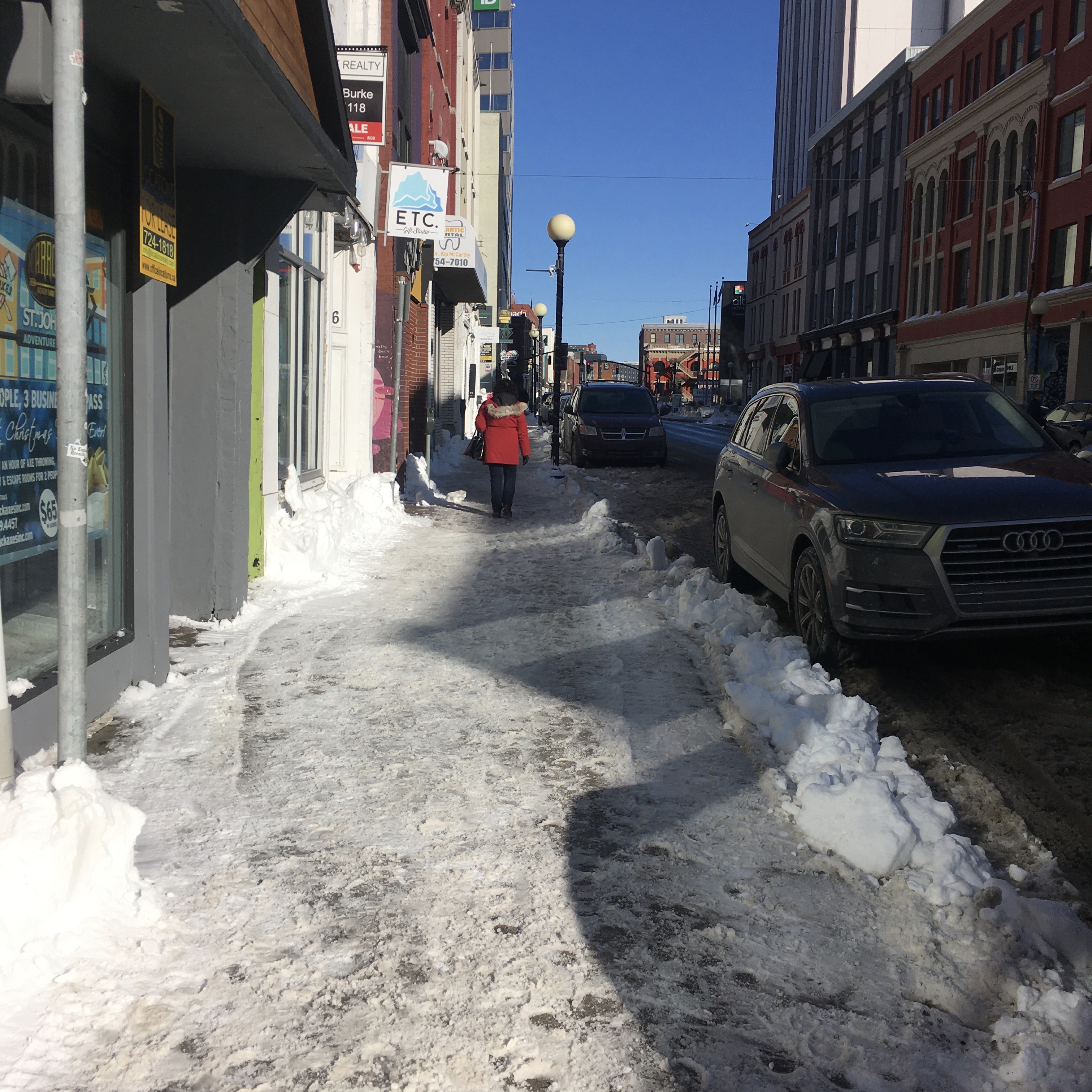
fullsizeoutput_bacfullsizeoutput_badfullsizeoutput_baeI was going to write a cheerful post here celebrating the fact that this morning, as the State of Emergency was lifted, there were cleared and mostly salted sidewalks downtown. It was ahead of schedule (“early next week”). I planned to ask why the Mayor didn’t announce this bit of good news in his latest update, and let people know when they could expect the school routes and other priority sidewalks to be done. It would alleviate so much anxiety for people who have no other way to get around. It would be such good news. But then I read something that made me feel anything but celebratory. This CBC article is about my colleague, engineering professor Dr. John Shirokoff, who died a few days before the blizzard, after being hit by a car while walking to the bus stop. He was walking on the street because there was no cleared sidewalk. The Dean of Engineering, Dr. Greg Naterer, saw him not long before he died and said this:
A thing that will stay with me forever is his concern for his students at that time. Just before going into surgery, not complaining, not bitter, not really talking much about his pain, but his concern for his students… He was walking along the side of Elizabeth Avenue and, as we know, pedestrian safety and clearing of sidewalks is an issue in this city.… I don’t know what the answer is. But we need to do a better job. Pedestrian safety has to be right up there. It’s not like, secondary.

It was wonderful to walk around in the sunshine this morning, safely separated from vehicle traffic, but no, I don’t feel celebratory at all. Pedestrian safety is not secondary.

Stairway to nowhere

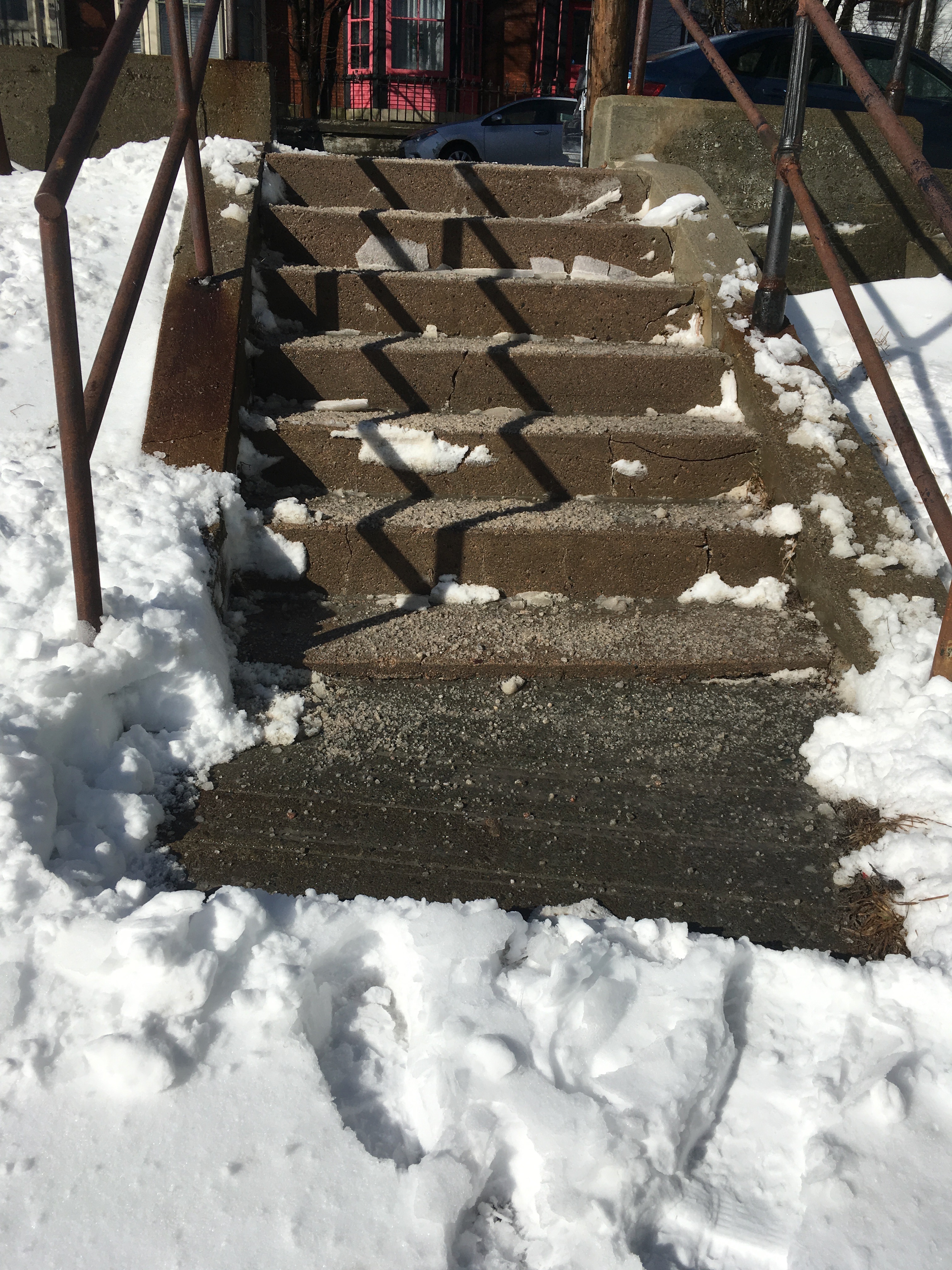
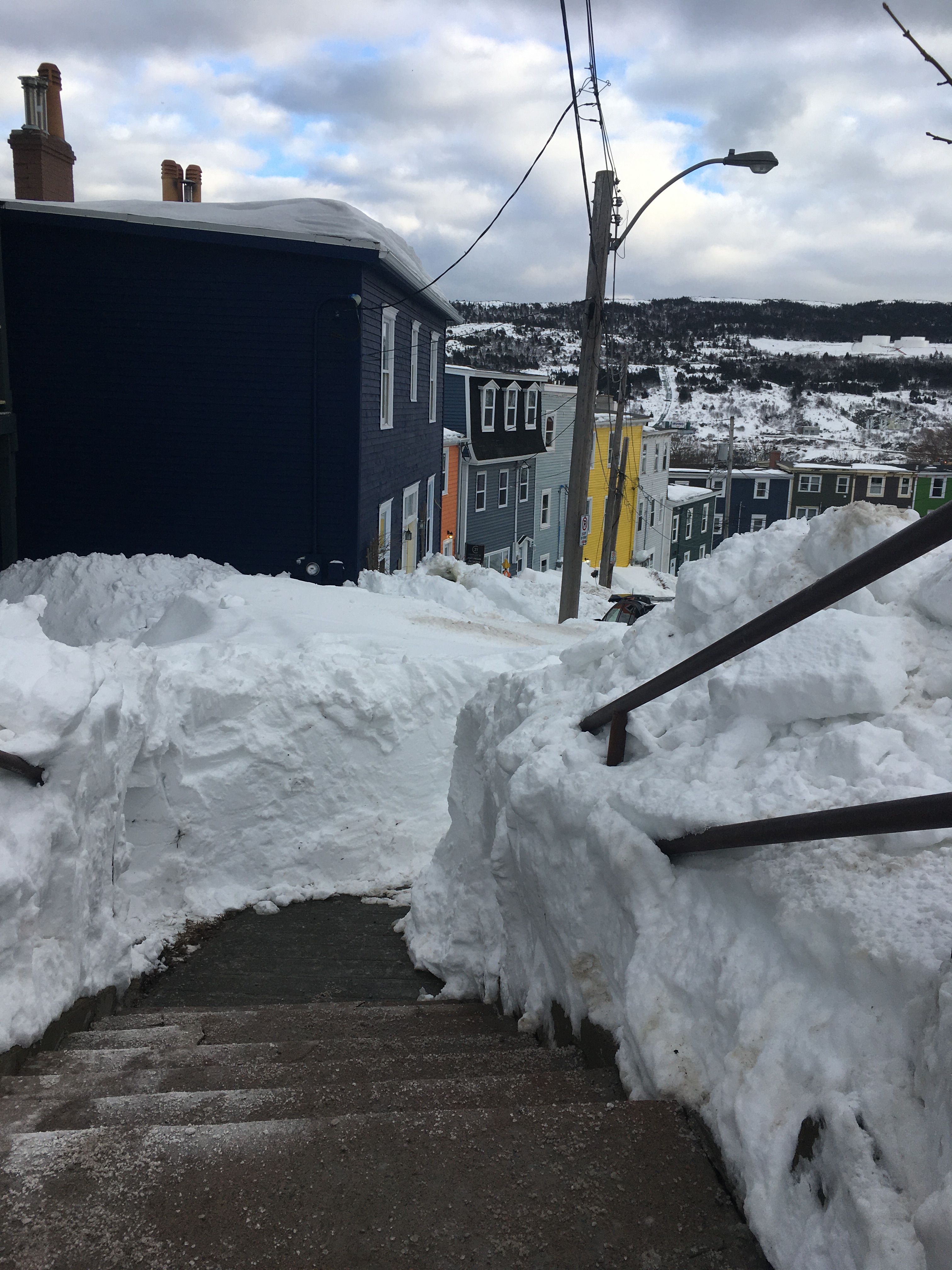
IMG_3443This photo is a year or two old. The whole area is completely buried right now after the blizzard of the century but I’m posting the photo because I added a story about it to the citizen science data gathering project designed by Matt Milner. If you have stories about your experiences getting around St. John’s in winter, especially accidents, injuries, hazards or the state of sidewalks in general, please have a look and add them to the map. Here’s the story that goes with this photo, in case you didn’t get here from Matt’s map: There’s a staircase that goes from Queen’s Rd. to Chapel St. that is always beautifully shovelled and salted yet it is truly the stairs from nowhere to nowhere because the sidewalk is never cleared on Chapel St. or that side of Queen’s Rd. It’s an example that I’m very familiar with since it’s on my route between home and work but there are others like this too. This illustrates two things: 1) the power of shovels, which might be better applied removing snow from some of the hazards documented by Matt’s project; 2) the City’s resources could sometimes be used better if the situation could be better analyzed. (Note: In the photo, you can see that it actually has been used because the snow wasn’t very deep but when the snow is deeper, it’s impossible.)
Update Jan. 24:

Even in the current state of emergency, they came and shovelled the staircase again. This time they did actually shovel a path out to the street, maybe because the depth of snow made to really clear just how futile it would be otherwise. Usually they don’t shovel a path, just leave it blocked at the bottom. Meanwhile, I was talking to a colleague who mentioned another such staircase that has even less traffic than this one but is also regularly shovelled and salted.

IMG_5748

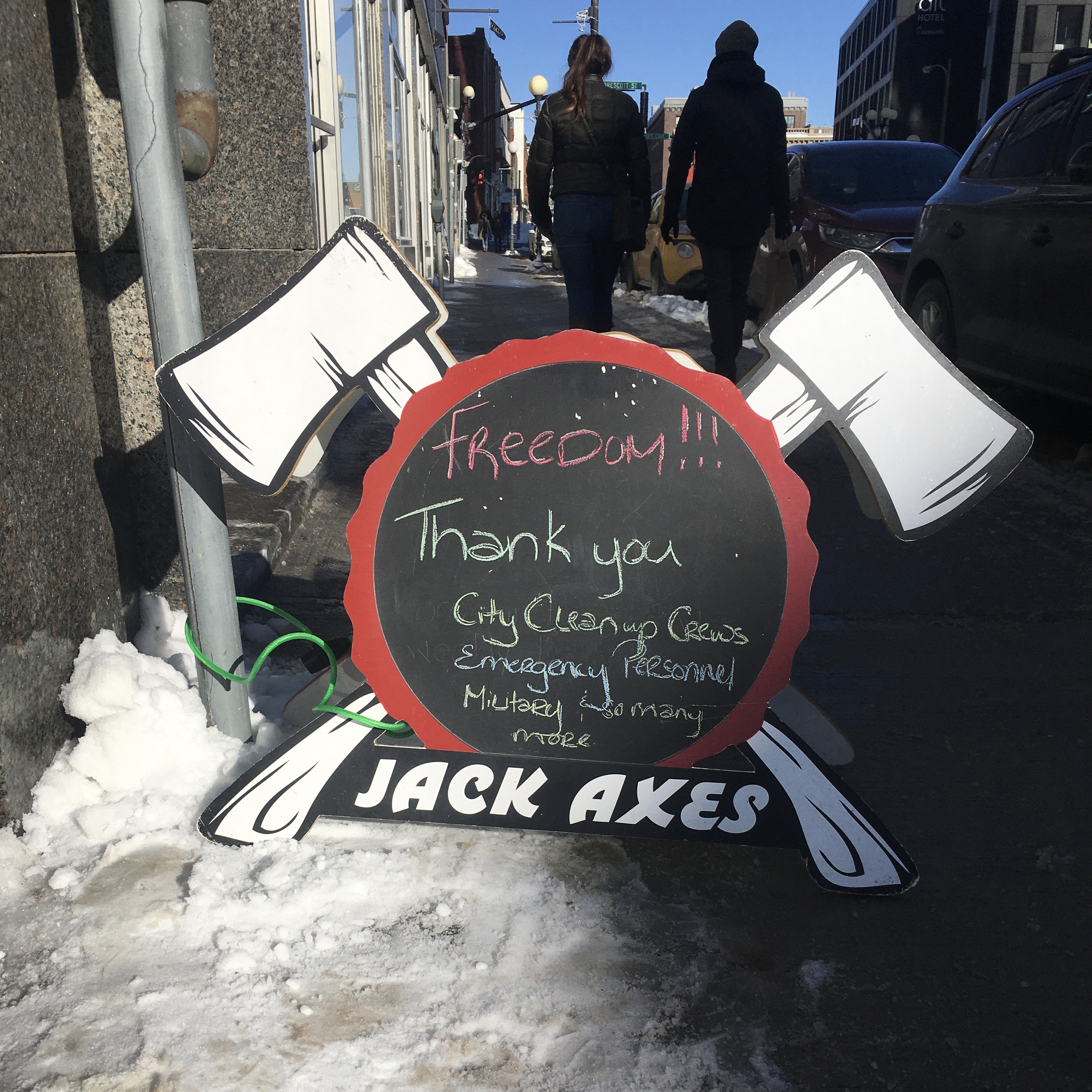
Freedom of the streets!

IMG_5714

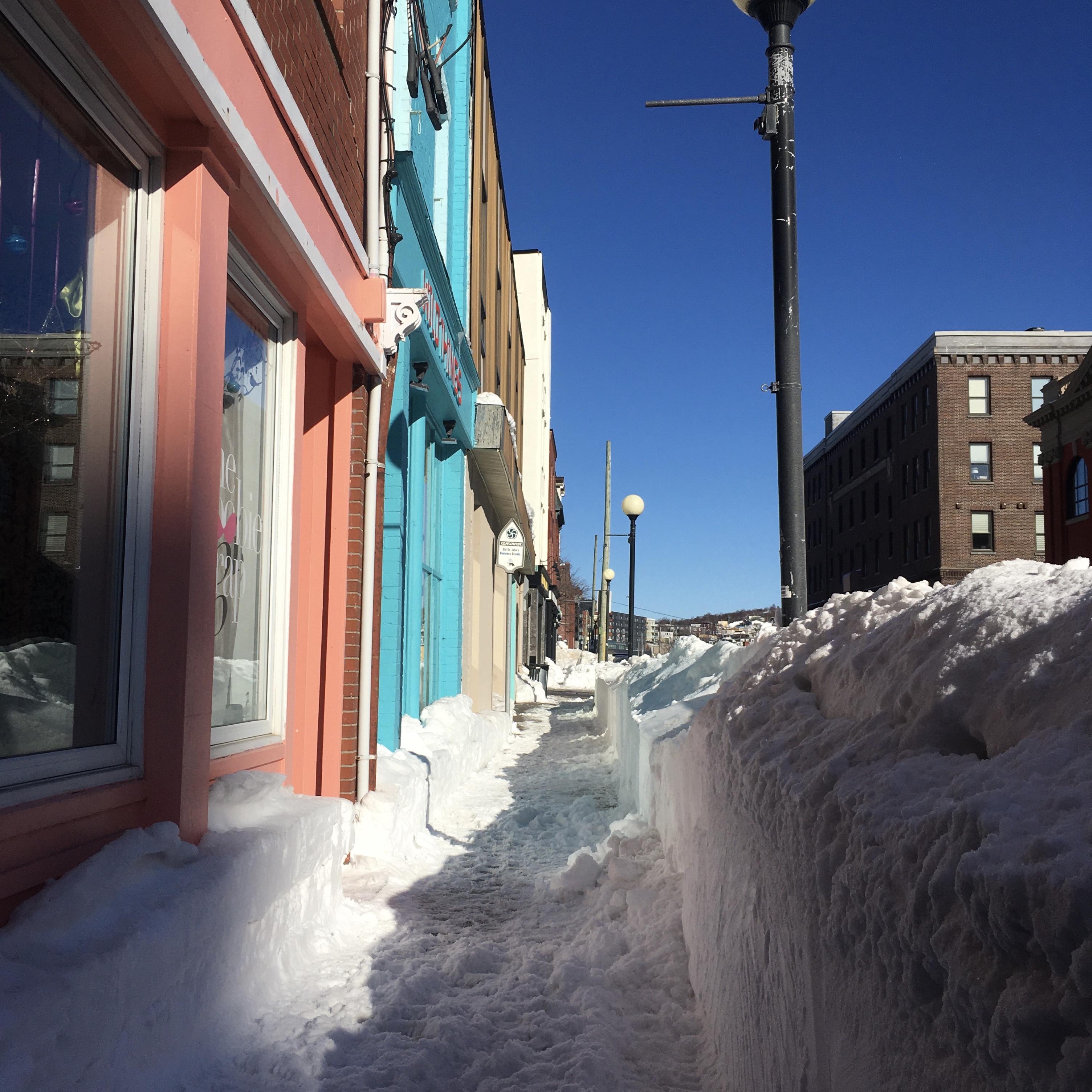
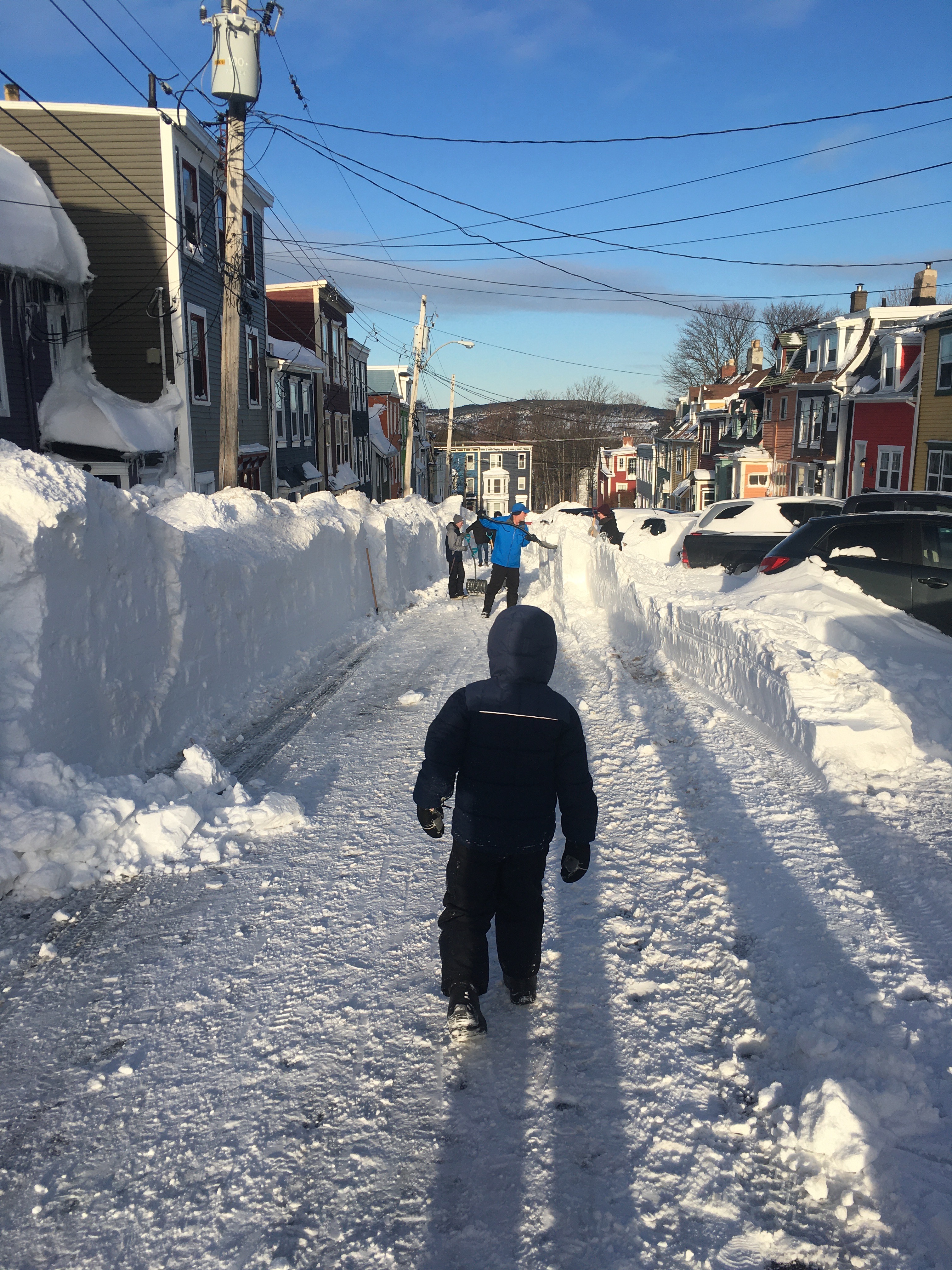
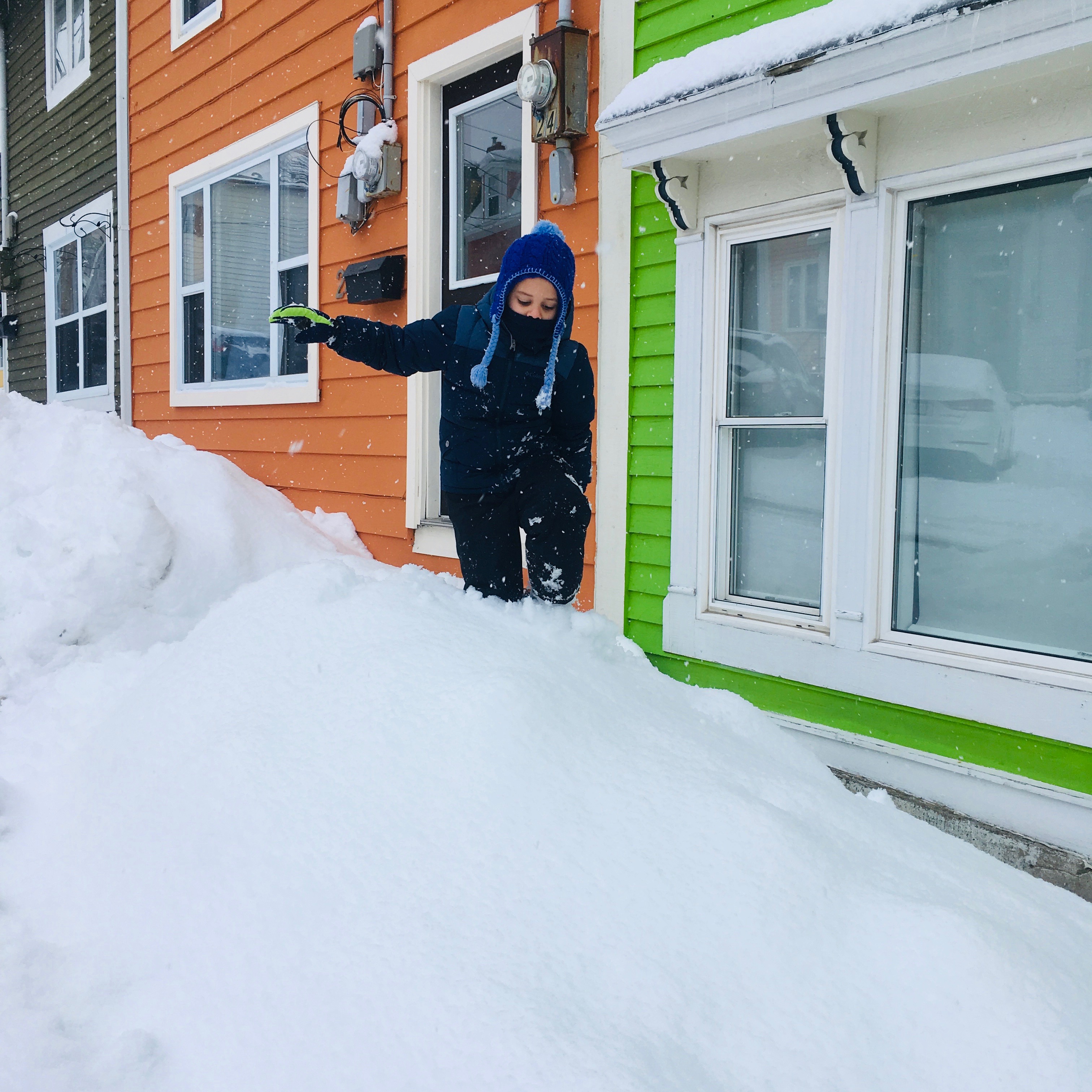
We have been under a state of emergency for two days now and the military has been called in to help clear up after the blizzard. Meanwhile, the weather has been sunny, neighbours have all been helping each other shovel out, and the streets yesterday and today were full of people walking, skiing, snowshoeing and snowboarding, enjoying the sunshine, each other’s company, and the freedom from the usual danger of getting hit by a car. For those of us who have been able to get out it has been an unheard of delight to be able to walk around without fear.

My friend, Marie Wadden, wrote eloquently on Facebook about the sense of community this engendered:

About being forced to [stay] in our neighbourhoods by this State of Snow Emergency: It’s kind of great, and makes me realize how cars strip us of community by expanding our reach so wide. My day was brightened by hearing from a more elderly friend how numerous of her neighbours have been to see her. I am making muffins for our neighbours who helped us yesterday, and I hope some new neighbours – from Angola – will take me up on an offer of a visit with us. Usually I am dashing in and out of the house to the car, hardly noticing those around me. Many have suffered from this “snizzard”, but it has this upside.

Six Years After The Consultation

IMG_5602

“Sidewalks are a fundamental element of the urban transportation infrastructure. It is bizarre that any city would fail to provide the same level of service for sidewalks that it does for roads. This makes its pedestrians second-class citizens.” (Barry Wellar, urban geographer and professor emeritus, University of Ottawa)

That really says it all. We are second class citizens. Worse than second class citizens. Our lives and our children’s lives are in danger. Just watch this video and read this description of peoples’ everyday commutes in St. John’s. We are working on a couple of protests and a citizen science update to the 2014 consultation and report on snow clearing in the city. But we already know how bad it is. We need to act.


“A Bold Ambitious Plan”

IMG_3042

Windsor Ontario has a new active transportation plan that will increase commuter trips made by walking, cycling or public transit from 10% to 25% by 2041. Brian Patterson, a consultant who advised the city called it “a very, very bold, ambitious plan.”

I suppose this is good news in a way, especially in a town that has been described as “the epicentre of the Canadian automotive industry.”

But in the context of the UN report on climate change, which predicts truly terrifying consequences if we do not limit average temperature increase to around 1.5°C above pre-industrial levels, it doesn’t seem so bold. UN Secretary General António Guterres said that reaching that goal will require “urgent and far more ambitious action to cut emissions by half by 2030, and reach net zero emissions by 2050.”

Transport is a key sector in any plan to mitigate climate change. The Windsor plan and our own efforts here in St. John’s to promote walking (scroll down, it’s at the bottom of the linked page), cycling and public transit show that there are costs involved. It will be hard in some ways. But we don’t need new inventions, research or huge sacrifices to just get out there and start doing it right now.

I read this in an article about responding to drought in South Africa. A long way from here but we are all in this together:

“‘The wound is where the light enters,’ said Rumi. Maybe we know society’s long contemporary holiday of development and self-enrichment will soon be over. Maybe more of us than admit it are sick of it, and know we can’t pay for it much longer. Maybe we know, deep down, that we will have to go back to the work of being humans embedded in nature, and not above it. Maybe parts of this will be a relief to some of us, even a joy. We might turn out to be more willing than we expect to live a harder way.” (Eve Fairbanks)


Looking After The Living World

IMG_4574

There’s a word in Innu-aimun that means the land and all the interconnected life that is apart of it. The word is nutshimit. The living world seems to be the best approximate translation we have in English. We often talk about saving the planet but the planet will be here. It’s the web of life we really want to save, including ourselves.

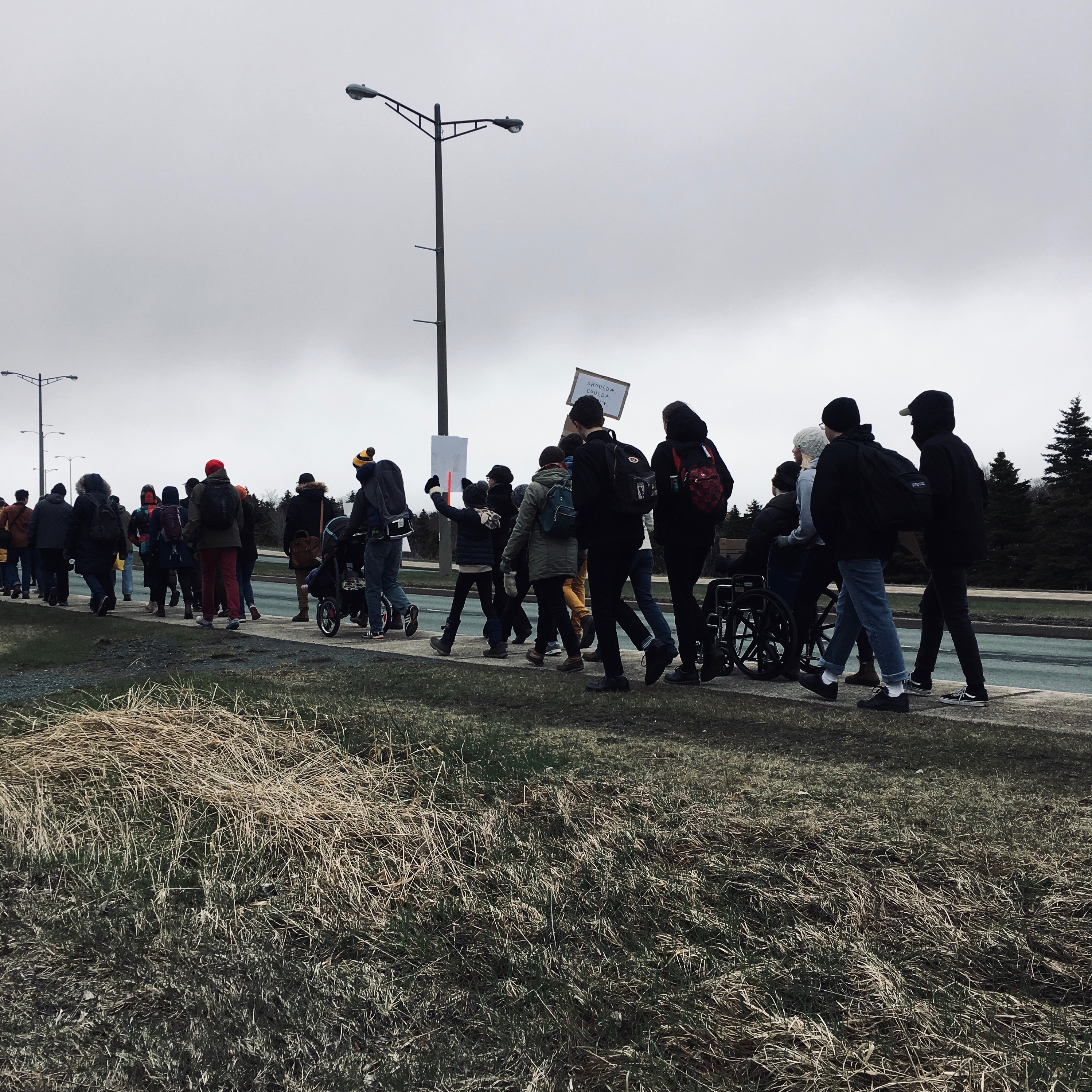
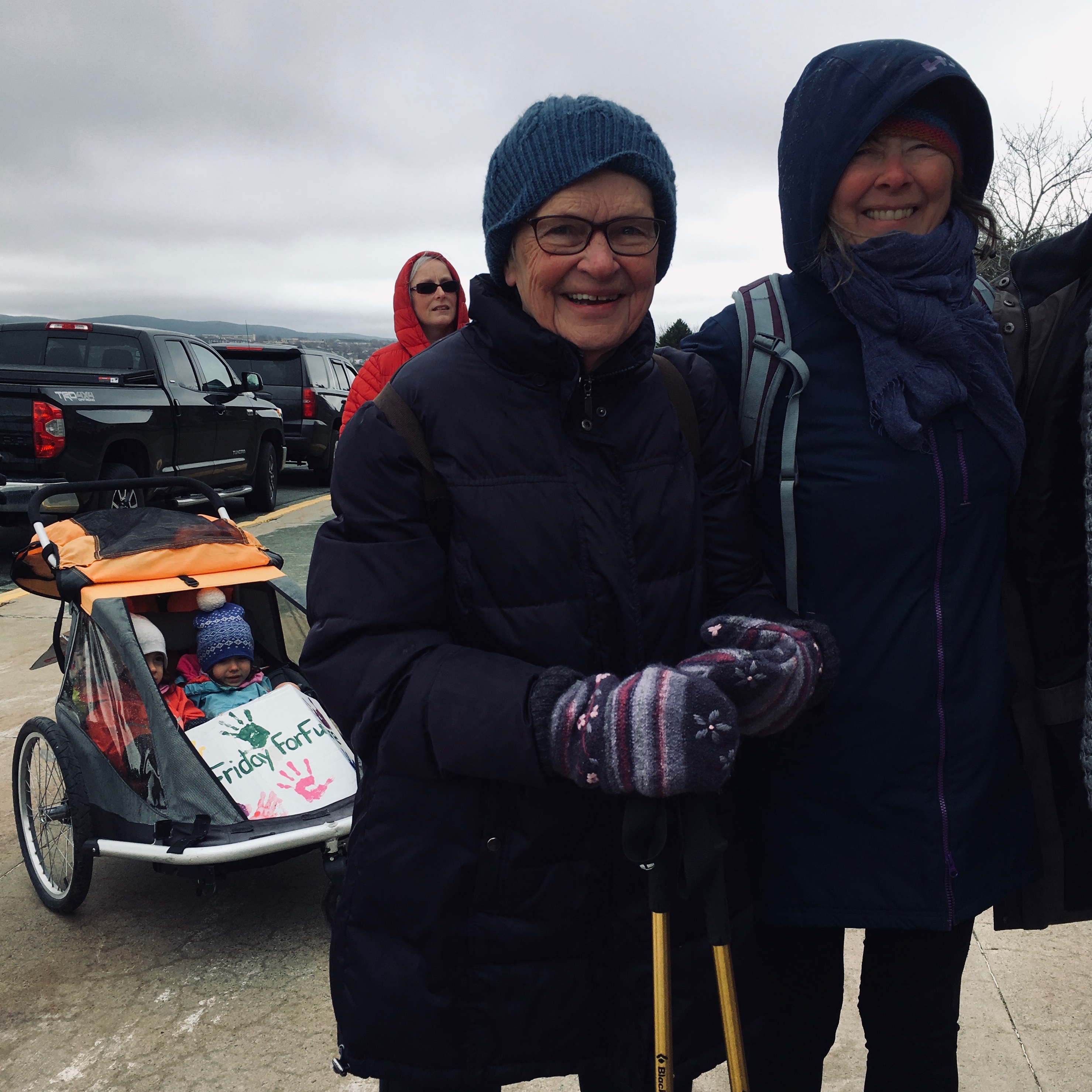
Last winter I read some articles on what scientists are telling us about climate change. You’d think we’d all know this. You’d think we’d be talking about it all the time. The information is widely available and vital for us to understand but somehow most of us are unaware of just how grave the problem is. I was until I did some serious reading. Then I panicked. I couldn’t look at my grandchildren without feeling terrified for what they will face as they grow up. It was overwhelming. I think that’s why we don’t know much about climate change or, if we do, we don’t talk about it. We can’t bear to think about it and we don’t want to upset people by bringing it up. I felt paralyzed and terribly depressed for a while after reading about it, but I gradually realized that taking action was the best way to deal with that. Last week I joined the Fridays for Future Climate Action Walk (photos above and below) and I plan to keep working on whatever I can to do something for the Living World. I’ll be posting here about things people can do and initiatives and possibilities that can make a difference.

I started this blog as a resource for active transportation and a way to tell the story of making one small city, St. John’s, more walkable and accessible. This is an important part of climate change strategy. A report by C40 Cities and the McKinsey Center for Business and Environment suggests that “enabling next generation mobility” (which includes active transportation) is one of four key areas that could help cities achieve 90 to 100 percent of the emissions reductions needed by 2030. I plan to keep working on that and am looking forward to talking about it at the Decarbonizing Newfoundland and Labrador Conference that will be held here in St. John’s July 11-12.

IMG_4579 2

The youngest and oldest strikers at the Fridays for Future walk last week.

IMG_4595